Content
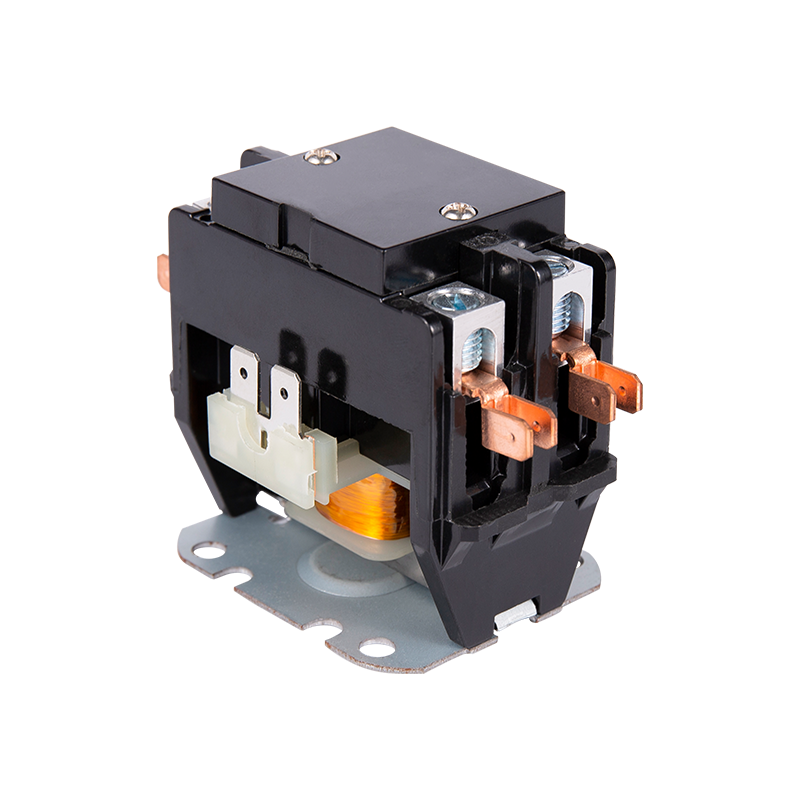
An air conditioner magnetic contactor is the electromechanical switch that connects and disconnects line power to compressor motors, condenser fans, and blower assemblies on command from the control circuit. Every time a thermostat calls for cooling, the contactor is the component that physically closes the circuit and lets current flow to the load. Get this single part wrong and the consequences ripple through the entire system, from nuisance tripping to premature compressor failure. This guide walks HVAC contractors, distributors, and OEM buyers through the contactor types available, where each one fits, the performance properties worth evaluating before purchase, and the wiring practices that keep installations safe and code compliant.
Magnetic contactors for HVAC applications are grouped primarily by pole configuration and duty class, and matching the correct type to the load is the first decision every buyer has to make. A single phase contactor typically uses one or two poles to switch a compressor or fan motor on split systems and light commercial units, while a three phase contactor uses three poles to handle the heavier current draw of central air conditioning and industrial cooling equipment. Choosing between them starts with the incoming power supply to the equipment, not the size of the space being cooled.
A miniature magnetic contactor is built for compact enclosures where panel space is limited, such as packaged rooftop units or small split system disconnects, and it still delivers the same basic switching function as its larger counterparts in a reduced footprint. Larger frame HVAC power contactors are reserved for chiller plants and multi-compressor racks where switching current and physical clearance requirements are higher. Selecting the wrong frame size for the application is one of the most common sourcing mistakes buyers make, since an undersized AC contactor switch will run hot under sustained load while an oversized unit adds unnecessary cost and panel space.
Beyond phase configuration, contactors are also differentiated by contact material and coil voltage options, which allow the same basic switching mechanism to be specified for 24V control circuits, line voltage coils, or low-power signal applications. Distributors serving multiple HVAC market segments generally stock a spread of pole counts, frame sizes, and coil voltages to cover split system replacements, commercial rooftop units, and industrial cooling equipment from a single catalog.
Magnetic contactors appear anywhere a control signal needs to switch a heavier electrical load safely, and air conditioning systems rely on them at nearly every scale of installation. In a split AC unit, the contactor sits in the outdoor condensing unit and switches power to the compressor and condenser fan motor whenever the indoor thermostat or control board sends a call for cooling. Because the contactor isolates the low-voltage control wiring from the high-voltage motor circuit, it protects the thermostat and control board from the compressor's starting current.
Central air conditioning systems extend this same principle across larger equipment. A rooftop or ground-mounted central unit will use a heavier duty contactor to manage the higher current draw of a larger compressor, and the electrical panel is often designed with the contactor as the primary field-serviceable switching component, since it experiences more mechanical cycling than almost any other part in the disconnect box.
A magnetic contactor is defined as an electrically controlled switch that uses a magnetic coil to pull together a set of contacts, allowing a low-power control signal to safely switch a high-power motor or compressor circuit.
Commercial HVAC systems, including packaged rooftop units serving retail and office buildings, typically house multiple contactors within a single control panel, each dedicated to a specific compressor stage, fan motor, or auxiliary heater bank. Staging multiple contactors this way allows the building automation system to bring cooling capacity online incrementally rather than switching the entire load at once, which reduces inrush current and mechanical stress on the electrical service.
Industrial cooling systems push contactor demands further still. Process chillers, industrial refrigeration racks, and large air handling units often cycle their compressors far more frequently than comfort cooling equipment, so the contactors specified for chiller control panels need to be rated for a higher number of mechanical operations over their service life. In these environments, the contactor is frequently paired with a dedicated overload relay and monitored by the plant's control system, since unplanned downtime on a process chiller carries a direct production cost.
Across every application, the underlying job of the air conditioner magnetic contactor stays consistent: translate a low-voltage control signal into a safe, repeatable, high-current switching action. What changes from one application to the next is the frame size, pole count, and duty rating needed to match that job to the equipment it serves.
Selecting a contactor on price alone is a common shortcut that tends to cost more in the long run through premature failures and unplanned service calls. Four performance properties deserve close attention during specification: electrical load capacity, contact wear resistance, coil voltage stability, and arc suppression performance.
Electrical load capacity determines whether a contactor can carry the running and starting current of the connected motor without overheating. Buyers should confirm both the continuous current rating and the locked rotor amp capacity the contactor can handle during compressor startup, since inrush current on a stalled or starting motor can be several times higher than its running current. A contactor sized only for steady-state load will see accelerated wear every time the compressor starts.
Contact wear resistance reflects how the switching contacts hold up to repeated arcing over thousands of operating cycles. Contact materials and geometry influence how evenly current is distributed across the contact surface, which in turn affects pitting, material transfer, and the gradual rise in contact resistance that eventually leads to overheating or failure to make a clean connection.
Match continuous and inrush current ratings to the compressor nameplate
Contact material and geometry govern cycle life under repeated arcing
Coil must hold the contactor closed across the full rated voltage range
Design features that contain arcing extend contact life significantly
Coil voltage stability is easy to overlook but directly affects reliability in the field. The coil has to hold the contactor closed across the full range of supply voltage fluctuation it will encounter, including brief sags during motor starting elsewhere in the building. A coil that drops out under normal voltage variation will cause the contactor to chatter or release prematurely, which is a frequent and often misdiagnosed cause of intermittent cooling complaints.
Arc suppression performance covers how the contactor manages the electrical arc that forms as the contacts separate under load. Because this arcing is the primary driver of contact erosion, contactors engineered with effective arc containment features tend to deliver a longer useful life under the same duty cycle than designs without them.
| Property | What It Affects | Buyer Priority |
| Load Capacity | Thermal performance under running and starting current | High |
| Contact Wear Resistance | Cycle life and long-term contact resistance | High |
| Coil Voltage Stability | Consistent pull-in and hold-in across voltage sags | Medium |
| Arc Suppression | Contact erosion rate and mechanical life | Medium |
Buyers sourcing for OEM or distribution channels benefit from requesting cycle life and load rating documentation upfront rather than relying on datasheet summaries alone, since these four properties together determine whether a contactor will perform reliably across the equipment's expected service life rather than becoming a recurring warranty issue.
Correct installation is what allows a well-specified contactor to actually deliver its rated performance in the field. Four areas deserve particular attention: control circuit wiring, overload protection integration, terminal connection standards, and general electrical safety compliance.
Confirm the control voltage matches the contactor coil rating and that thermostat or control board wiring is isolated from the high-voltage load side.
Pair the contactor with an appropriately sized overload relay or breaker so the motor circuit is protected against sustained overcurrent conditions.
Torque terminal connections to the manufacturer's specification and use correctly sized lugs to avoid loose connections that generate heat over time.
Verify enclosure ratings, disconnect placement, and local electrical code requirements before energizing the completed circuit.
Control circuit wiring should keep the low-voltage thermostat or control board signal physically and electrically separated from the line-voltage load wiring at every termination point. Mixing these circuits in the same wire run without proper separation is a common source of nuisance faults and, in more serious cases, a safety hazard.
Overload protection integration means the contactor is never installed as the sole protective device for the motor circuit. A properly sized overload relay, sized to the compressor's nameplate full load amps, should always be installed alongside the contactor so that sustained overcurrent conditions trip a dedicated safety device rather than relying on the contactor itself to fail safe.
Terminal connection standards matter more than many installers realize. A loose or under-torqued terminal is one of the leading causes of localized heating at the contactor, which can cascade into contact degradation and eventual failure even when the contactor itself was correctly specified. Following the torque values and wire gauge recommendations on the manufacturer's installation instructions protects the investment made in selecting the right component.
Finally, electrical safety compliance covers everything from enclosure ingress protection ratings to disconnect switch placement relative to the contactor, and installers should always confirm these details against the applicable local electrical code before the system is energized.
It is an electrically controlled switch that uses a magnetic coil to close a set of contacts, allowing a low-voltage control signal to safely switch high-current power to a compressor, condenser fan, or other HVAC motor load.
It acts as the switching link between the control circuit and the motor load, closing when the thermostat or control board calls for cooling and opening when the call ends, cycle after cycle over the equipment's service life.
A control voltage energizes the internal coil, which generates a magnetic field that pulls the movable contacts into position against the fixed contacts, completing the circuit to the connected load until the coil is de-energized.
Common failure causes include contact wear from repeated arcing, coil degradation from voltage instability, loose terminal connections that generate heat, and undersized components that were never matched to the actual load current.
Yes. A failing or intermittently connecting contactor can prevent the compressor or fan from receiving consistent power, leading to short cycling, reduced cooling output, or a complete failure of the unit to run.
Service life depends heavily on cycling frequency, load matching, and installation quality, since contact wear accumulates with every switching operation rather than with time alone, making correct specification and installation the biggest factors in longevity.
Reliable HVAC control starts with matching the right contactor type, pole configuration, and performance rating to the actual load, then following sound wiring and overload protection practices during installation. Buyers who evaluate load capacity, contact wear resistance, coil stability, and arc suppression alongside proper installation practices are positioning their systems for consistent performance and fewer unplanned service calls, rather than treating the contactor as an interchangeable commodity part.
Efficient charging, stable output, capacitor, thefirst choice for electric drive.
If you have anything to consult, you canfollow us, we will contact you as soon aspossible

Copyright © Ningguo Kingcool Import and Export Co., Ltd All Rights Reserved. Custom HVAC Parts & Accessories Suppliers