



Ningguo Kingcool Import and Export Co., Ltd supplies Refrigeration Parts-Condensing Unit Manufacturers range together with a broad refrigeration and appliance parts programme. We combine capacitor production with HVAC and refrigeration component sourcing, so a single project can be configured, packed and shipped from one supplier.
Condensing Units and Refrigeration Parts We Supply
Our refrigeration parts programme covers the components that sit around a condensing unit in a working system: air-cooled condensers, compressors, filter driers, oil separators, copper tube, brass and copper fittings, control valves, vibration absorbers, manifold gauges, thermometers and installation materials. The condensing unit category is the assembly point where these parts come together for cold room, display cabinet, walk-in cooler and small commercial refrigeration projects.
Because we also manufacture metalized polypropylene film capacitors, we understand the electrical side of refrigeration equipment. That helps when a project needs matching capacitors, contactors, transformers, relays, overloads, delay timers, defrost timers and temperature controllers alongside the mechanical refrigeration parts.
Product Range and Application Fit
We present the refrigeration range as a set of related categories, each with a clear place in the refrigeration circuit. The table below shows where each category fits and what information we use to match it to a project.
| Category | Typical Role in System | Key Matching Data |
|---|---|---|
| Condensing Unit | Compressor, condenser, fan and controls assembled for heat rejection | Cooling capacity, refrigerant, ambient, voltage, cabinet size |
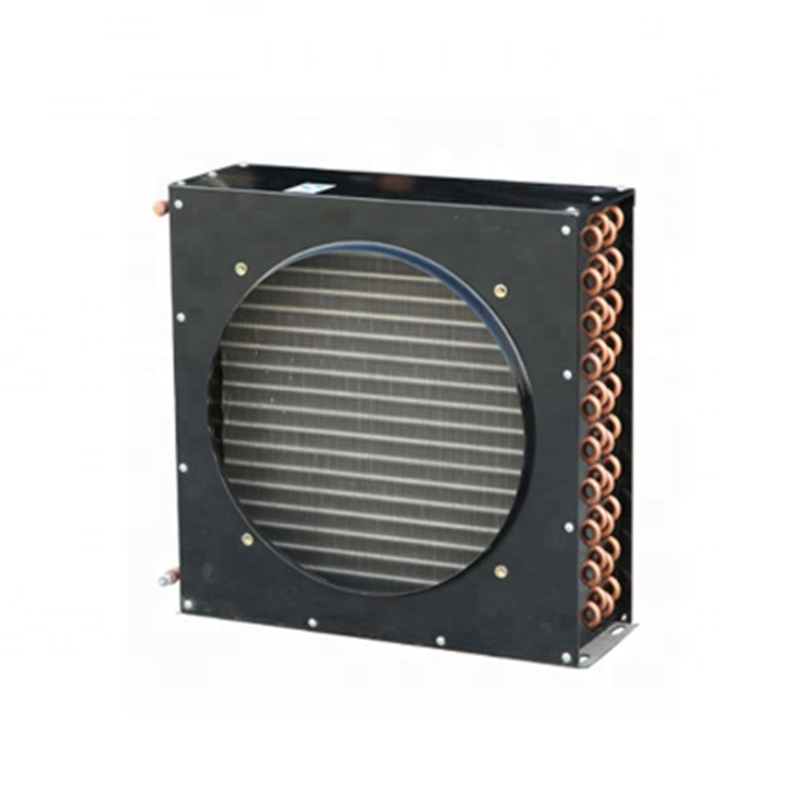
| Condenser Unit | Air-cooled or fin-type heat exchange for the high side | Heat load, air flow, fin spacing, pipe connection size |
| Compressor | Refrigerant compression for the circuit | Capacity, refrigerant, power supply, mounting footprint |
| Filter Drier & Oil Separator | Moisture removal and oil management in the refrigerant line | Line size, refrigerant type, flow direction, connection style |
| Control Valve & Fitting | Flow control, isolation and connection of pipework | Port size, pressure rating, material, thread standard |
| Copper Tube & Brass Fitting | Refrigerant piping and jointing across the installation | Diameter, wall thickness, temper, fitting standard |
| Microcomputer Temperature Control | Temperature regulation, defrost and alarm logic | Sensor type, set point range, relay output, panel cut-out |
| Capacitor | Motor starting and running support for compressors and fans | Capacitance, voltage, case style, terminal arrangement |
How We Configure a Condensing Unit Project
We configure the refrigeration package around the working point, not around a catalogue number alone. The proposal is built from the required cooling capacity, evaporating and condensing temperatures, refrigerant, ambient conditions, power supply and the physical space available for the unit and its pipework.
- Capacity and working point: cooling duty at the stated evaporating and condensing temperatures, with allowance for pull-down and door-opening loads.
- Refrigerant: the refrigerant family used in the project, which affects compressor selection, oil, drier and elastomer compatibility.
- Power supply: single-phase or three-phase voltage and frequency, plus starting method and running current for the electrical bill of materials.
- Heat rejection: air-cooled condenser surface, fan quantity and air flow matched to the ambient design condition.
- Controls: thermostat or microcomputer controller, defrost mode, alarm contacts and any interface to a building or rack controller.
- Installation scope: pipe connection sizes, mounting feet, vibration absorbers, service valves and access for maintenance.
Materials, Accuracy and Repeatability
Refrigeration assemblies live with oil, moisture, vibration and thermal cycling. Copper tube and brass fittings are selected for clean internal surfaces and consistent wall thickness. Filter driers and oil separators are chosen for the refrigerant and line size. Vibration absorbers reduce pipe stress at the compressor and condenser connections.
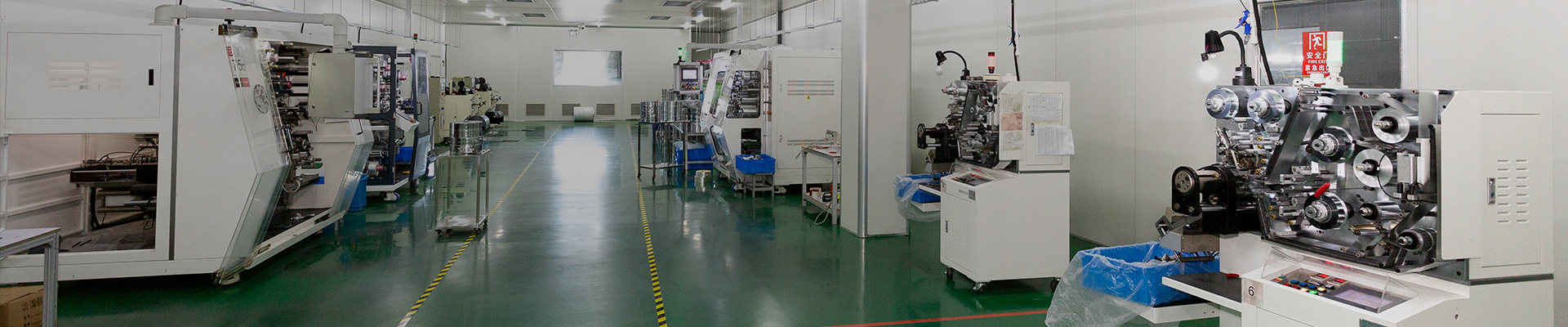
For the electrical parts, our capacitor production uses high-precision slitting and winding equipment and testing equipment that monitors production. That background supports consistent capacitance and stable output in the capacitors, contactors, relays and timers supplied with refrigeration packages.
Controls and Automation Integration
We match the control layer to the way the refrigeration system is operated. For a simple cold room, a microcomputer temperature controller with off-cycle defrost and a clear display is often enough. For a larger installation, the controller needs alarm outputs, defrost termination and a signal that can be read by a rack or building management system.
- Temperature controller with sensor, set point range and relay rating matched to the compressor and fan load.
- Defrost timer or controller logic for the defrost method used in the evaporator.
- Contactor, transformer, relay, overload and delay timer sized to the compressor starting and running current.
- Voltage protector and refrigerant leak detector where the project requires additional protection.
Installation, Commissioning and Maintenance
We supply the parts and assemblies with the connection sizes, mounting points and electrical ratings needed for site installation. Pipework is sized to the refrigerant line, and service access is kept clear for gauges, driers and valves. During commissioning, the system is charged, leak tested and set to the required temperature before handover.
For maintenance, we keep the consumable and wear parts in the same programme: filter driers, capacitors, contactors, relays, thermostats, defrost timers and fan motors. That means a service visit can be planned around a single parts list rather than several separate orders.
Quality Approach and Documentation
Our capacitor production is supported by advanced testing equipment and real-time monitoring during production. For the wider refrigeration range, we work with established component sources and check the parts against the agreed specification before packing. Documentation follows the order scope: packing list, product identification and the technical data needed for installation and acceptance.
Where a project requires compliance evidence for a specific market, we confirm the applicable documents as part of the order review rather than assuming a single certificate covers every destination.
Information We Use to Configure Your Solution
To prepare a condensing unit and refrigeration parts proposal, we need the project data below. The more complete the input, the faster we can confirm the configuration and the bill of materials.
- Application: cold room, display cabinet, walk-in cooler, transport refrigeration or process cooling.
- Cooling capacity and the evaporating and condensing temperatures at the design point.
- Refrigerant type and charge quantity.
- Ambient design temperature and installation location, indoor or outdoor.
- Power supply: voltage, frequency, phase and starting method.
- Control requirement: thermostat, microcomputer controller, defrost mode and alarm or interface signals.
- Pipe connection sizes and the distance between unit and evaporator.
- Quantity, packing preference and destination port.
Related Refrigeration and HVAC Categories
The condensing unit range is supported by the wider refrigeration and air-conditioning programme, so a project can be sourced as a coordinated package. The Refrigeration Parts category covers the line components, while the Compressor range covers the compression side of the circuit. For the electrical layer, the Capacitor range supports motor starting and running.
Frequently Asked Questions
What is included in a condensing unit package from Kingcool?
A package is configured from the compressor, air-cooled condenser, fan, electrical components and controls required for the working point. We can also include the line components such as filter drier, oil separator, copper tube, brass fittings, control valves and vibration absorbers so the installation is supplied as one coordinated set.
Can you match a condensing unit to a specific refrigerant and voltage?
Yes. Refrigerant type, evaporating and condensing temperatures, ambient condition and power supply are the first inputs we use. The compressor, condenser surface, fan motor, capacitor and contactor are then selected to suit that combination.
Do you supply the controls and electrical parts with the refrigeration package?
We supply temperature controllers, defrost timers, contactors, transformers, relays, overloads, delay timers, voltage protectors and capacitors alongside the mechanical refrigeration parts. This keeps the control layer consistent with the compressor and fan load.
How do you handle spare parts and maintenance items?
Wear and consumable items such as filter driers, capacitors, contactors, relays, thermostats and fan motors are kept in the same programme. A maintenance order can therefore be built from one parts list matched to the installed equipment.
What information is needed for a quotation?
Send the application, cooling capacity, evaporating and condensing temperatures, refrigerant, ambient condition, power supply, control requirement, pipe connection sizes, quantity and destination. With that information we can confirm the configuration and prepare a proposal.

