




Ningguo Kingcool Import and Export Co., Ltd is a China-based Refrigerator Parts-Capillary Tube Manufacturers and one-stop supplier of appliance and HVAC components. We supply capillary tubes for household refrigerators, freezers, display cabinets and small refrigeration systems, sized to the compressor displacement and refrigerant in use.
Our range sits inside a broader Refrigerator Parts programme that covers motors, thermostats, fans, filter driers, control boards and water filters, so a repair or production order can be consolidated into one shipment.
What We Supply in This Category
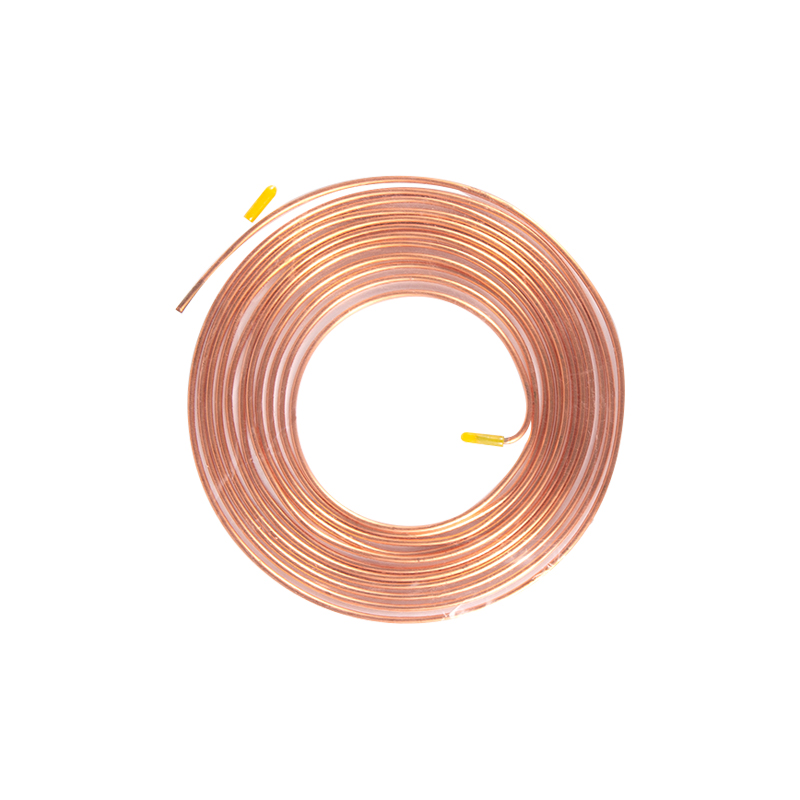
The capillary tube is the fixed metering device in a vapour-compression circuit. It creates the pressure drop between condenser and evaporator, and its internal diameter and cut length determine refrigerant mass flow. We supply copper capillary tubes in coiled and straight-cut form, with clean internal walls and consistent bore, for OEM assembly lines, after-sales repair networks and refrigeration service distributors.
- Refrigerator capillary tubes — matched to R600a and R134a domestic and commercial cooling circuits.
- Air-conditioner capillary and wave tubes — supplied through our Charging Valve & Capillary & Wave Tube range for split and window units.
- Cut-to-length coils — deburred ends, coil diameter and length set by the customer's assembly drawing.
- Matched accessories — filter driers, copper tube, brass fittings and charging valves for the same circuit.
How Capillary Sizing Affects System Performance
Capillary calibration balances friction against mass flow. Internal diameter has a strong, non-linear effect on flow resistance, so a small bore change requires a compensating length change to keep the same refrigerant flow. Our technical team reviews the compressor displacement, refrigerant type, evaporating and condensing temperatures, and target pull-down time before confirming a tube specification.
| Sizing Change | Evaporating Pressure | Refrigerant Flow | Typical System Effect |
|---|---|---|---|
| Longer tube | Decreases | Decreases | Higher superheat, lower cooling capacity |
| Shorter tube | Increases | Increases | Risk of liquid return to compressor |
| Larger bore | Increases | Increases | Insufficient expansion, high evaporating temperature |
| Smaller bore | Decreases | Decreases | Restricted flow, clogging risk, low efficiency |
Materials, Bore Control and Cleanliness
Capillary tubes are drawn from deoxidised copper, which resists corrosion in the refrigerant and oil environment and bends without cracking during routing. The two variables that decide field reliability are bore consistency along the coil and internal cleanliness. Wax, drawing lubricant residue or copper fines can lodge at the smallest cross-section and progressively starve the evaporator.
- Bore checked along the coil, not only at the ends.
- Internal wall smoothness verified to reduce wax and debris build-up.
- Ends cut square and deburred for clean brazing or flare connection.
- Coils wound to a controlled diameter for automatic feeding on assembly lines.
Application Fit Across Cooling Equipment
The same tube family serves several equipment types, but the working point differs. A domestic refrigerator running on R600a needs a short, small-bore tube matched to a low-displacement hermetic compressor, while a commercial display cabinet or beverage cooler may need a longer coil to reach a lower evaporating temperature.
R600a and R134a circuits, matched to hermetic compressor displacement and cabinet pull-down target.
Longer coils for lower evaporating temperatures and continuous-duty operation.
Capillary and wave tube assemblies supplied with charging valves and fittings.
Configuration Options
We configure each tube to the customer's circuit rather than forcing a catalogue size. The main variables we confirm are bore, cut length, coil form, end preparation and packaging format.
- Bore and length — set from the compressor displacement, refrigerant and target evaporating temperature.
- Coil or straight — pancake coils for automatic feeding, straight lengths for manual brazing.
- End finish — plain cut, deburred, flared or fitted with a charging valve stub.
- Bundled kits — tube supplied together with filter drier, copper tube and fittings for a complete circuit repair.
Installation and Circuit Integration
Capillary tubes are installed between the filter drier outlet and the evaporator inlet. Correct routing matters as much as correct sizing: tight bends, kinks or contact with hot discharge lines change the effective restriction and can shift the whole circuit away from its design point.
- Fit the filter drier upstream to protect the bore from moisture and particles.
- Keep bend radii generous and avoid flattening the tube at the connection.
- Braid or clamp the tube where vibration from the compressor could cause fatigue.
- Charge by weight against the system label rather than by pressure alone.
Quality Control and Acceptance
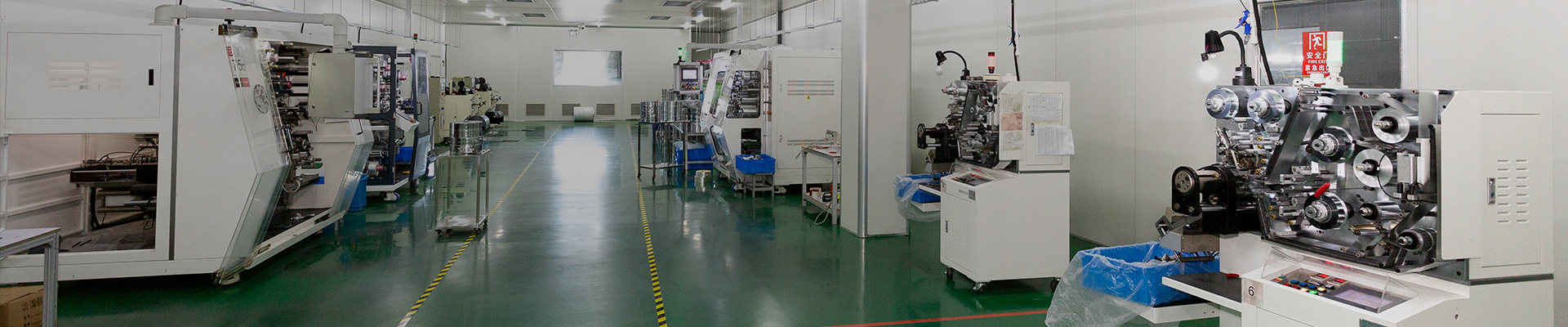
Our production background is in metalized polypropylene film capacitors, where we operate high-precision slitting and winding equipment, in-process monitoring and testing equipment, with an annual capacity of 10 million units. That measurement discipline carries into the accessory range we supply: dimensional checks, bore verification and visual inspection of coil form and end finish before packing.
For project orders we agree the acceptance basis in advance, so incoming inspection at the customer's plant matches what we check before shipment.
| Check Point | Method | Recorded For |
|---|---|---|
| Bore consistency | Gauge check along coil | Flow performance |
| Cut length | Measured against drawing | Assembly fit |
| Internal cleanliness | Visual and blow-through check | Clogging risk |
| End finish | Deburr and flare inspection | Joint quality |
| Coil form | Diameter and winding check | Line feeding |
One-Stop Sourcing Around the Capillary Circuit
A refrigeration repair or production order rarely needs one part. We consolidate the components that sit around the capillary tube so that a single shipment covers the job: Filter Drier For Refrigerator, Motor For Refrigerator, thermostats, defrost components, fans and control boards, alongside the wider PRODUCT catalogue of air-conditioner, refrigeration and washing-machine parts.
This model suits distributors and service networks that carry mixed inventory and need fragmented, personalised orders fulfilled quickly. Each order is handled directly by the person responsible for it, from specification confirmation through packing and dispatch.
Information We Use to Configure Your Solution
To quote a capillary tube that will perform in your circuit, we work from the following project inputs. Where a drawing or sample exists, that is the fastest route to a confirmed specification.
- Refrigerant type (R600a, R134a or other) and compressor displacement.
- Required bore, cut length and tolerance, or an existing part number and drawing.
- Coil or straight form, coil diameter and end preparation.
- Target evaporating temperature and pull-down requirement.
- Order quantity, packing format and labelling requirements.
- Any associated parts to be bundled into the same shipment.
Frequently Asked Questions
How do you confirm the correct bore and length for a refrigerator circuit?
We start from the compressor displacement, refrigerant and target evaporating temperature, then match bore and cut length so the circuit reaches its design point without excessive superheat or liquid return. If you supply an existing part number, drawing or sample, we work to that specification directly.
Are your capillary tubes compatible with R600a and R134a?
Yes. Our tubes are supplied for both R600a and R134a systems, and the length-to-bore ratio is selected to suit the pressure-temperature characteristics of the refrigerant in use. Modern low-charge hydrocarbon systems in particular need a closely matched tube because the total charge is small.
What causes a capillary tube to clog, and how is it prevented?
Clogging usually comes from moisture, wax or copper fines collecting at the narrowest point. We control internal wall smoothness and cleanliness during production, and we recommend a filter drier upstream of the tube so that particles and moisture are captured before they reach the bore.
Can you supply capillary tubes together with other refrigerator parts?
Yes. Capillary tubes are part of our broader refrigerator and HVAC accessory range, so filter driers, motors, thermostats, fans, control boards and fittings can be consolidated into one order and one shipment. This reduces freight cost and simplifies inventory for distributors and service networks.
What packing and delivery scope do you offer?
Coils are wound to a controlled diameter and packed to protect the bore and end finish during transport, with labelling matched to your order requirements. Packing format, quantity per carton and any bundling with associated parts are confirmed when the order specification is agreed.

