


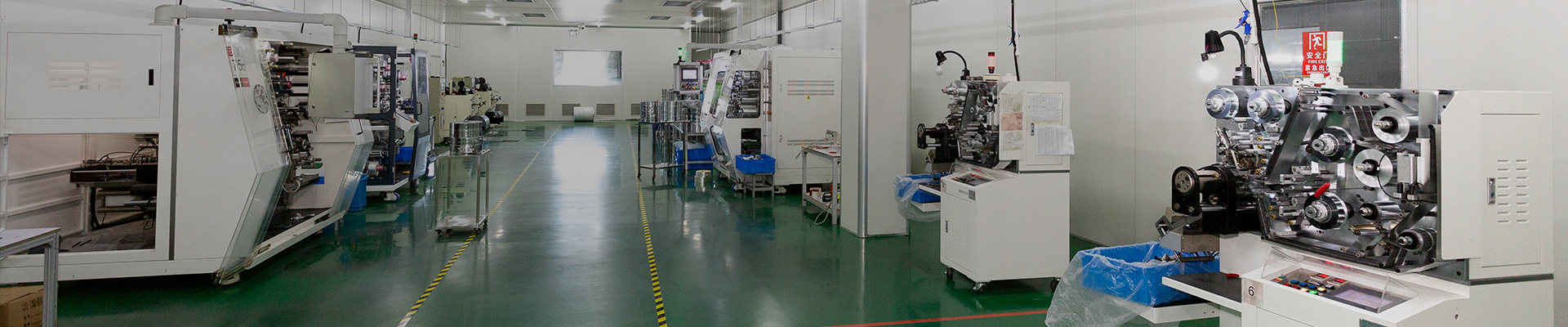


Ningguo Kingcool Import and Export Co., Ltd is a China-based manufacturer and supplier of refrigerator AC/DC fans and a one-stop source for HVAC and appliance parts. We produce metalized polypropylene film capacitors on high-precision slitting and winding lines and supply a complete range of refrigerator, air-conditioner, refrigeration and washing-machine components to buyers in the Middle East, Africa, South America and Southeast Asia.
Refrigerator AC/DC Fan Range and Where It Fits
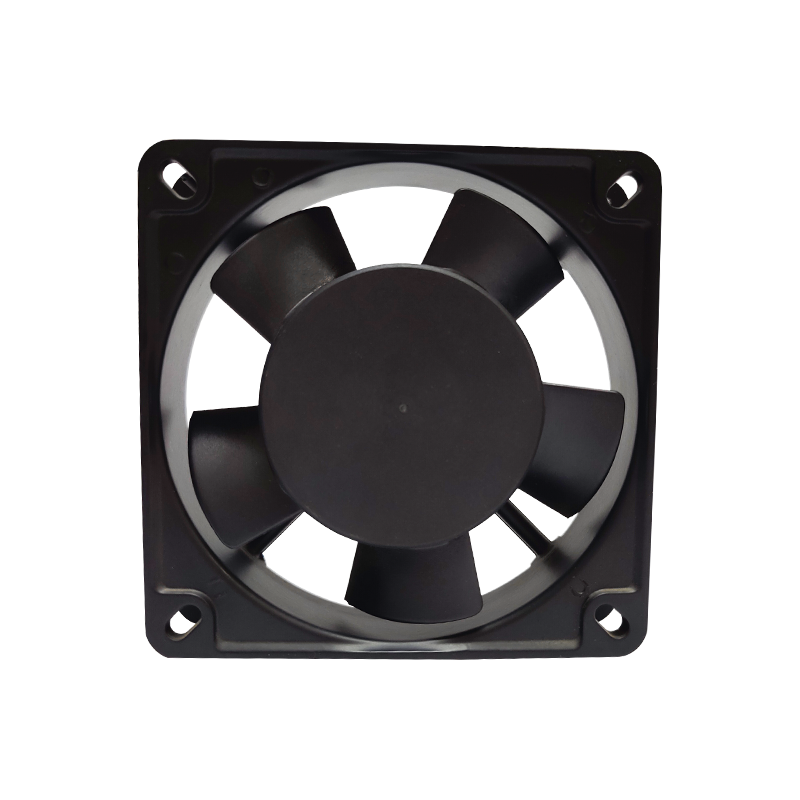
Our Refrigerator Parts-AC/DC Fan Manufacturers range covers axial cooling fans used for heat dissipation in refrigerators, display cabinets, condensing units and control panels. The 12038 220V AC fan motor, a 120 × 120 × 38 mm axial fan, is a representative model for forced-air cooling where a compact frame and reliable continuous duty are required.
AC/DC fans sit in the air path of the refrigeration circuit: they move air across the condenser, evaporator or electrical enclosure to keep surface temperatures within design limits. Selection therefore depends on supply voltage, frame size, airflow, static pressure, bearing type and the ambient conditions of the installation.
Product Range at a Glance
| Product family | Typical application | Key selection variables |
|---|---|---|
| AC axial fan (12038 series) | Refrigerator condenser cooling, display cabinets, control panels | Voltage, frame size, airflow, bearing type |
| DC axial fan | Low-voltage cooling in appliance and electronic enclosures | DC voltage, current draw, connector type |
| Refrigerator shaded-pole motor | Evaporator fan and air circulation in household refrigerators | Shaft dimensions, mounting, voltage, frequency |
| Axial fan for refrigeration | Condensing units, cold rooms, commercial refrigeration | Airflow, static pressure, ambient temperature |
| AC cooling fan | Air-conditioner outdoor units and electrical panels | Voltage, speed, noise level, IP protection |
Materials and Construction
Fan motors are built around a stator and rotor assembly, with the shaft running in sleeve or ball bearings. Lubricating grease quality directly affects wear, noise and service life: a compound base oil with high viscosity coefficient, combined with anti-rust, anti-oxidation and anti-wear additives, maintains an oil film between shaft and sleeve and reduces carbon deposits during long-term operation.
- Frame and impeller: metal or reinforced plastic, balanced for low vibration.
- Bearing system: sleeve bearings for quiet, low-cost duty; ball bearings for higher load and longer life.
- Insulation: Class B or Class F winding insulation according to the motor design.
- Lead wires and connectors: matched to the appliance harness or terminal block.
Critical Specifications for Fan Selection
When we prepare a fan proposal, the following parameters define the working point and the mechanical interface:
- Voltage and frequency: AC 110 V, 220 V or 230 V at 50/60 Hz, or DC 12 V / 24 V.
- Frame size: 120 × 120 × 38 mm and other standard footprints.
- Airflow and static pressure: determined by the heat load and the resistance of the air path.
- Speed and noise: operating speed and sound pressure level at the required distance.
- Bearing type: sleeve or ball, based on duty cycle and mounting orientation.
- Connection: lead length, terminal type and wire colour code.
- Operating environment: ambient temperature, humidity and exposure to dust or condensation.
Configuration Options and Customization
We configure fans around the electrical and mechanical interface of the appliance or refrigeration unit. Options include different voltage and frequency combinations, lead-wire lengths and connectors, mounting hole patterns, impeller materials and bearing systems. Where a project requires a specific airflow or noise target, we match the motor winding and blade geometry to the working point rather than offering a single fixed model.
For buyers sourcing a complete bill of materials, our Refrigerator Parts range includes thermostats, defrost components, filter driers and control boards, while the Axial Fan range covers larger refrigeration duty. This allows one purchase order to cover fan, capacitor and control accessories from the same supplier.
Quality Control and Acceptance
Our capacitor production uses high-precision slitting and winding equipment with real-time monitoring and testing equipment to maintain consistent output. Fan motors are inspected for electrical continuity, insulation resistance, running current and noise before packing. Acceptance criteria are agreed with the customer at order stage, covering rated voltage, current, speed, airflow and mechanical dimensions.
- Incoming inspection of bearings, grease and winding wire.
- In-process checks on winding, assembly and balancing.
- Final functional test and visual inspection before cartoning.
- Sampling plan and test record format confirmed with the buyer.
Installation, Maintenance and Serviceability
AC/DC fans are mounted with screws or clips to the fan bracket or housing, with the airflow arrow aligned to the intended direction. Lead wires connect to the appliance terminal block or control board; polarity must be observed on DC models. Before start-up, the impeller should rotate freely and the mounting should be free of distortion that could cause blade contact.
Routine maintenance includes cleaning dust from blades and guards, checking lead-wire condition and replacing lubricating grease at the interval recommended for the duty cycle. We recommend grease replacement every six months to one year depending on operating frequency and environment. Spare motors, bearings and impellers are available as service parts.
Information We Use to Configure Your Solution
To prepare an accurate fan configuration and quotation, we work from the following project inputs:
- Appliance or unit model and the fan's position in the air circuit.
- Supply voltage, frequency or DC voltage, and available current.
- Required airflow, static pressure and maximum noise level.
- Frame size, mounting hole pattern and available depth.
- Ambient temperature, humidity and contamination level.
- Lead-wire length, connector type and colour code.
- Annual quantity, packing preference and delivery destination.
Frequently Asked Questions
What is the difference between an AC and a DC refrigerator fan?
AC fans operate directly from mains voltage and are common in condenser cooling and panel ventilation. DC fans run from a low-voltage supply, typically 12 V or 24 V, and are used where the appliance provides a DC rail. The choice affects wiring, connector type and control method.
Can you supply the 12038 220V AC fan motor?
Yes. The 12038 220V AC fan motor is a 120 × 120 × 38 mm axial fan for heat dissipation and cooling. We confirm voltage, speed, airflow and connection details against your application before quoting.
How do you select the right bearing for a fan?
Sleeve bearings suit quiet, continuous operation in clean conditions. Ball bearings are preferred for higher load, higher ambient temperature or vertical mounting. We match the bearing system to the duty cycle and mounting orientation you specify.
What lubricating grease is used in your AC/DC fans?
We use grease with a high-viscosity compound base oil and additives for anti-rust, anti-oxidation and anti-wear performance. It maintains an oil film between shaft and sleeve, reduces noise and resists carbon deposits during long-term operation.
Can I combine fan orders with other refrigerator parts?
Yes. We supply a complete range of refrigerator and HVAC accessories, including capacitors, thermostats, control boards and filter driers, so fan motors can be consolidated with other components in one order.
What information do you need to quote a custom fan?
Send the appliance model, supply voltage, required airflow and static pressure, frame size, mounting pattern, lead-wire specification and annual quantity. We will confirm the closest standard model or propose a customized configuration.
Related Products and Categories
Our portfolio also includes PRODUCT for applications with different operating ranges, interfaces or integration requirements.

