


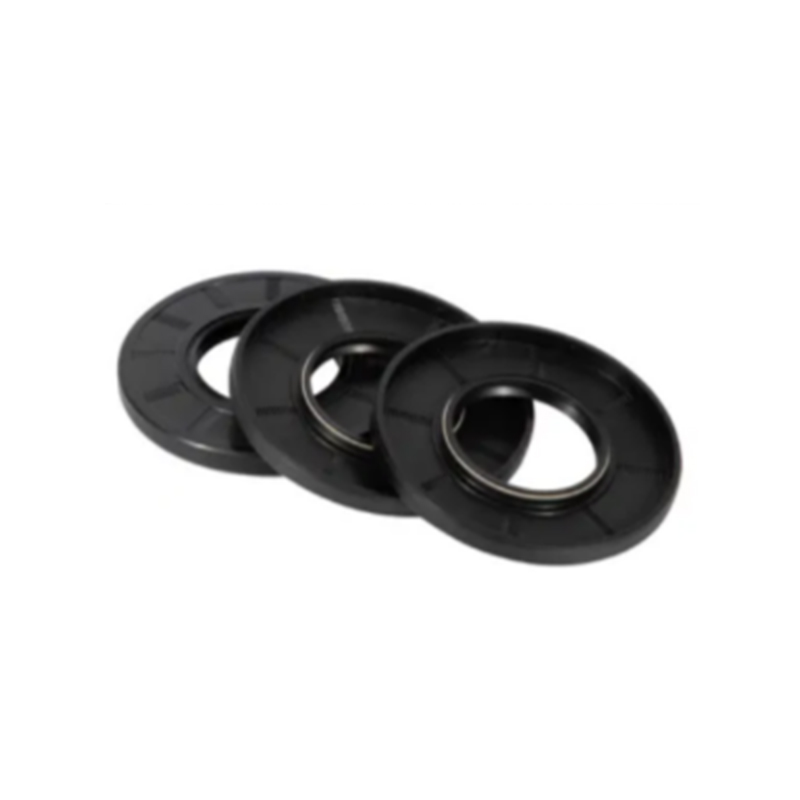


Ningguo Kingcool Import and Export Co., Ltd supplies Washing Machine Parts-Rubber Seals Manufacturers range for appliance assembly plants, service networks and wholesale distributors. Our rubber seals programme covers rotary door gaskets and water seals that keep wash tubs, door assemblies and drain paths leak-tight through repeated hot and cold cycles.
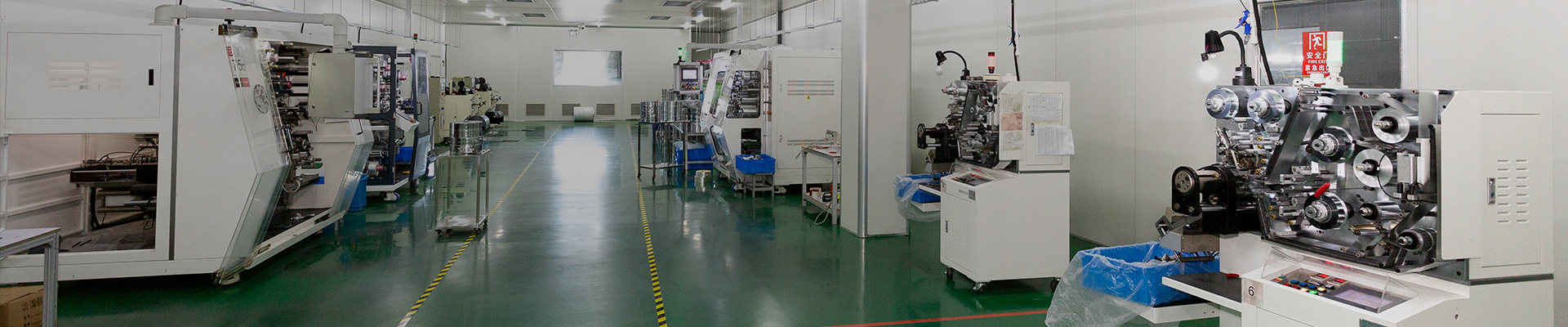
We operate as an industry-and-trade enterprise with our own metalized polypropylene film capacitor production, and we have developed into an agent for air conditioner, refrigerator and washing machine accessories. That combination lets us quote a single container of appliance parts — seals, capacitors, motors, valves and fittings — instead of forcing customers to split orders across several vendors.
What We Supply in the Rubber Seals Range
The core item is the rotary door gasket rubber seal used on front-loading washing machines, where the bellows profile seals the door glass against the outer tub and absorbs drum movement during the spin cycle. We also supply water seals that sit at the shaft and tub interface to stop water migrating toward the bearing housing.
- Rotary door gasket seals — bellows-type door boots with moulded lip, drain holes and clamp seating.
- Water seals — shaft and tub sealing elements for front-load and top-load platforms.
- Rubber drain valve cores — companion sealing parts for drain assemblies.
- W/M fittings — clamps, hoses and small sealing accessories ordered alongside the seals.
Application Fit Across Washing Machine Platforms
Seal selection follows the machine architecture, not the brand name alone. Door boot geometry changes with drum diameter, door hinge position and the depth of the front panel, while water seals are governed by shaft diameter, tub material and the bearing arrangement behind them.
| Seal Type | Typical Position | Application Focus |
|---|---|---|
| Rotary door gasket | Door glass to outer tub | Front-load household and commercial washers |
| Water seal | Shaft / tub interface | Bearing protection, spin-cycle water containment |
| Drain valve core | Drain valve body | Drain shut-off and residue sealing |
| Seal kits and fittings | Door and tub assemblies | Service repair and aftermarket packs |
Materials and Compound Selection
Washing machine seals work in detergent-laden water, alkaline conditions and elevated temperatures, so compound choice drives service life. We discuss the working environment with each customer before confirming a material route.
- EPDM — the usual choice for door boots and water seals because of hot-water, detergent and ozone resistance.
- Nitrile rubber (NBR) — suitable where oil or grease contact is expected around mechanical assemblies.
- Silicone rubber — considered where wider temperature range or softer sealing contact is required.
- Fluororubber — reserved for aggressive chemical or high-temperature duty.
Critical Specifications We Confirm
A door gasket that fits the drawing but leaks at the clamp ring is still a failed part. We therefore confirm the sealing interface as a system: profile geometry, lip compression, clamp groove position and drain-hole placement.
- Inside and outside diameter, bellows depth and overall height.
- Wall thickness and lip thickness at the sealing contact line.
- Drain hole count, diameter and angular position.
- Clamp ring groove dimensions and seating radius.
- Hardness range and surface finish on the sealing lip.
- Colour, marking and any moulded identification required on the part.
Configuration Options and Customization
We support both replacement-part supply and project-based customization. Where a customer is servicing an existing platform, we work from the original part number, a physical sample or a measured drawing. Where a customer is developing a new door assembly, we work from the interface drawing and the expected cycle profile.
- Profile adjustment to match an existing door and tub interface.
- Compound selection to suit detergent chemistry and water temperature.
- Moulded branding, part numbers or colour coding for distributor programmes.
- Bulk packing for assembly lines or retail-ready packing for service channels.
Quality Control and Acceptance
Our capacitor production runs on high-precision slitting and winding equipment with in-process testing, and the same discipline of dimensional control and inspection applies to the appliance parts we supply. For rubber seals, the practical acceptance points are dimensional conformity, visual freedom from flash and short fills, and sealing behaviour under compression.
- Dimensional inspection against the agreed drawing or sample.
- Hardness and material verification.
- Visual inspection for moulding defects, parting-line flash and contamination.
- Pre-shipment sample retention for reference on repeat orders.
Installation, Maintenance and Serviceability
Door boots are fitted by folding the inner lip over the tub flange and seating the outer lip behind the front panel, then locking the clamp ring. Correct seating matters more than force: a lip that rolls during fitting will leak regardless of material quality. Water seals are fitted with the sealing lip facing the water side and should be lubricated only with a compound-compatible medium.
For maintenance planning, we recommend keeping door gaskets and water seals as separate line items so that wear rates can be tracked independently. Seals are consumable parts, and stocking them alongside drain valve cores and inlet valves reduces machine downtime in service operations.
One-Stop Sourcing Across Appliance Parts
Rubber seals are one line within a broader appliance and HVAC parts portfolio. Customers consolidating purchases with us typically combine seals with Capacitor items for motors and control circuits, Refrigerator Parts for cooling appliance service, and Air-Conditioner Parts for HVAC installation work.
This matters for distributors who order mixed containers. A single consolidated shipment of washing machine seals, capacitors, motors and valves reduces freight cost per unit and simplifies incoming inspection, because one supplier is accountable for the packing list and the documentation set.
Information We Use to Configure Your Solution
We prepare a configuration and quotation from the working point, the material and the production target. The more precisely the interface is defined, the faster we can confirm a suitable part.
| Input | Why We Need It |
|---|---|
| Machine model or original part number | Identifies the door and tub interface |
| Drawing, sample or measured dimensions | Confirms profile geometry and tolerances |
| Water temperature and detergent type | Drives compound selection |
| Annual or per-order quantity | Sets packing format and production planning |
| Packing and labelling requirements | Matches assembly-line or retail channel needs |
| Destination port and shipment scope | Defines delivery scope and documentation |
Frequently Asked Questions
Can you supply door gaskets for a specific washing machine model?
Yes. Send the machine model, the original part number, or a photo and measured dimensions of the existing gasket. We match the profile, drain-hole layout and clamp groove, then confirm the material route before quoting.
Which rubber compound is used for washing machine door seals?
EPDM is the standard choice for door boots and water seals because it resists hot water, detergent and ozone. Where oil contact or higher temperatures are involved, we discuss NBR, silicone or fluororubber alternatives based on the actual working conditions.
Do you support custom moulded seals with our own branding?
We support customization of profile, compound, colour and moulded identification. Distributor programmes can also be packed with customer-specific labels and part numbers so the seals drop straight into an existing catalogue.
Can rubber seals be combined with other appliance parts in one order?
Yes. We supply washing machine parts alongside refrigerator, air conditioner and refrigeration components, so seals, capacitors, motors, valves and fittings can be consolidated into one shipment with a single packing list.
What information is needed for a quotation?
We need the part reference or drawing, the operating conditions, the required quantity, the packing format and the destination port. With those inputs we can confirm the configuration, the material and the delivery scope in a single proposal.

