Content
Every compressor in a cooling system depends on three small but critical control parts working together: a relay, an overload protector, and a delay timer. Together these air-conditioner parts relay & overload & delay timer components decide when the compressor starts, how it is protected from damaging conditions, and how long it waits before restarting after a stop.
A compressor that starts too soon after shutting off, or that runs through an overcurrent condition unprotected, wears out far faster than one guarded by a properly matched relay, overload protector, and delay timer.
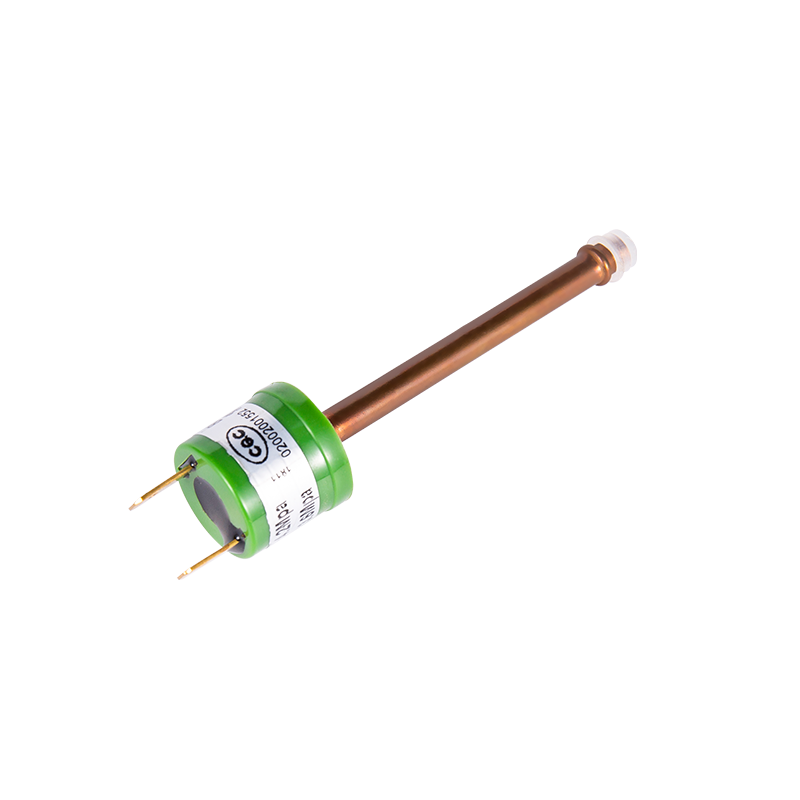
An air conditioner relay switch is an electrically operated switch that closes or opens the circuit feeding power to the compressor or fan motor based on a control signal. A compressor overload protector monitors current draw and internal temperature, and interrupts the circuit if either value crosses a safe threshold. A delay timer control module holds the compressor circuit open for a set interval before allowing a restart, preventing the motor from being energized against residual system pressure.
These HVAC electrical control parts work as a coordinated chain. The relay handles the actual switching load, the overload protector watches for abnormal electrical or thermal conditions, and the timer manages the timing between stop and restart. As air conditioning protection system components, none of the three functions independently — a fault in one changes how the whole compressor circuit behaves.
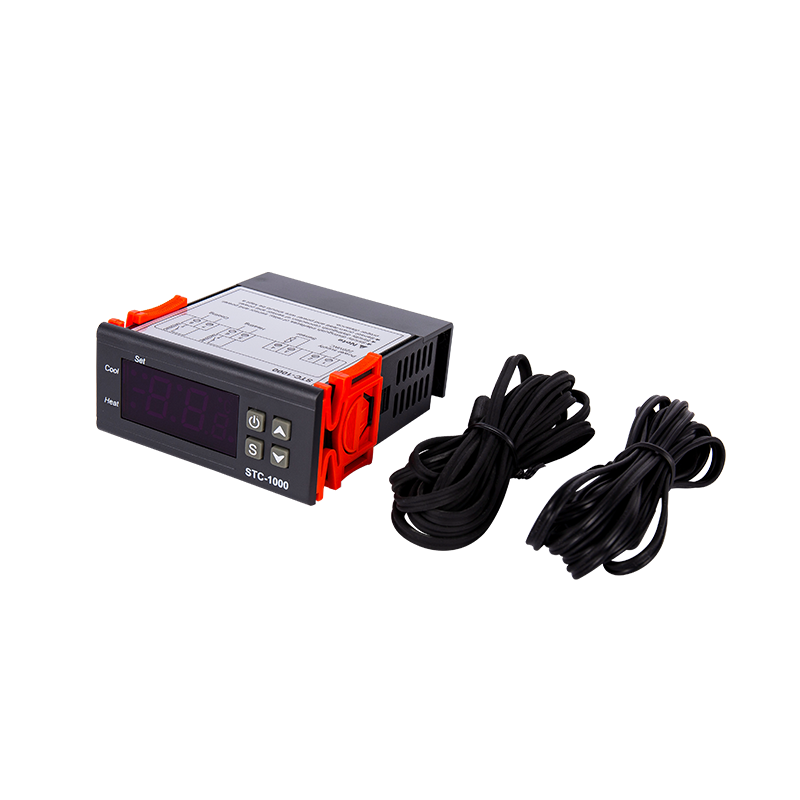
Relay, overload, and timer parts come in several distinct designs, each suited to different compressor sizes and control strategies. An electromagnetic relay HVAC design uses a coil and mechanical contacts to switch load current, favored for its simplicity and tolerance of electrical noise. A solid state relay AC system uses semiconductor switching with no moving contacts, favored where fast, silent, high-cycle switching is needed. A thermal overload protector compressor design uses a bimetal element that responds to heat generated by current flow, tripping the circuit as the element deforms. An electronic delay timer module uses a timing circuit rather than mechanical parts to set the restart interval, and an adjustable time delay relay allows the delay period to be tuned to the specific compressor and system design.
| Component Type | Switching Method | Common Use Case |
| Electromagnetic relay | Coil-driven mechanical contacts | General-purpose compressor switching |
| Solid state relay | Semiconductor switching | High-cycle, noise-sensitive control circuits |
| Thermal overload protector | Bimetal strip deformation | Basic overcurrent and overheat protection |
| Electronic delay timer | Timing circuit board | Precise, adjustable restart delay |
| Adjustable time delay relay | Configurable timing element | Systems needing tunable delay periods |
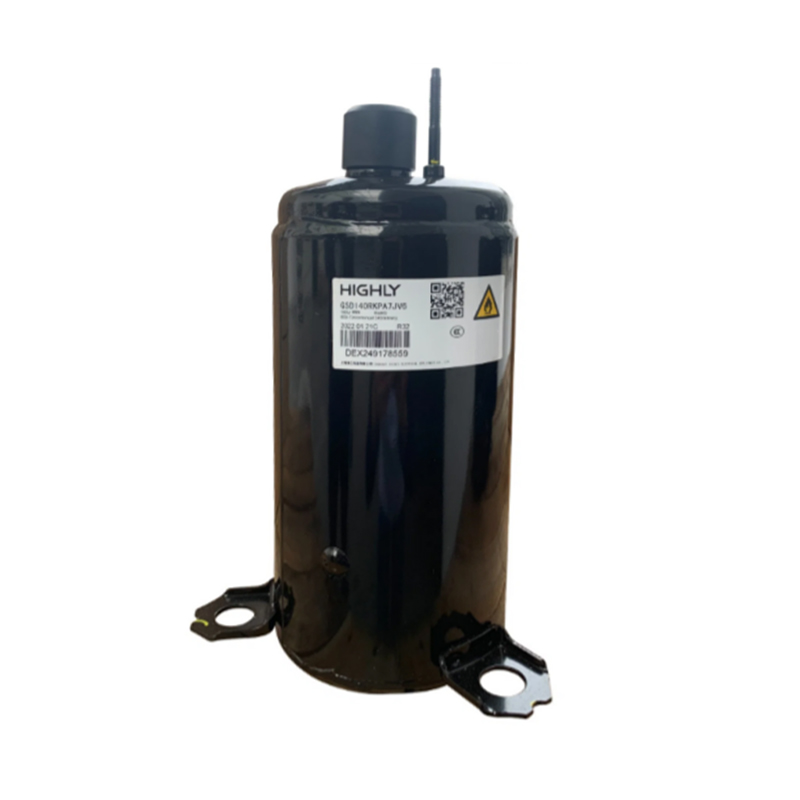
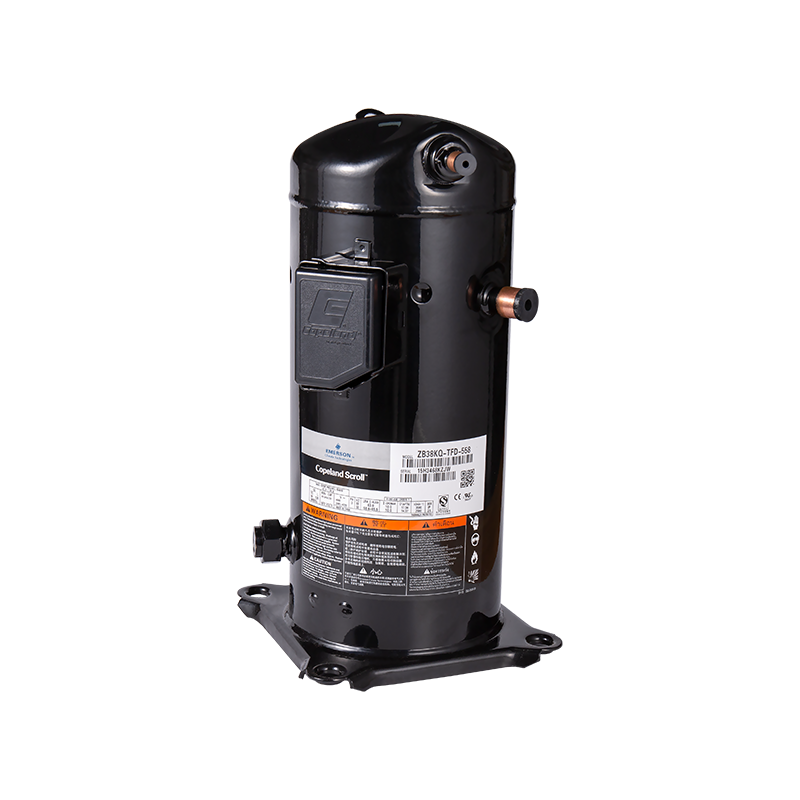
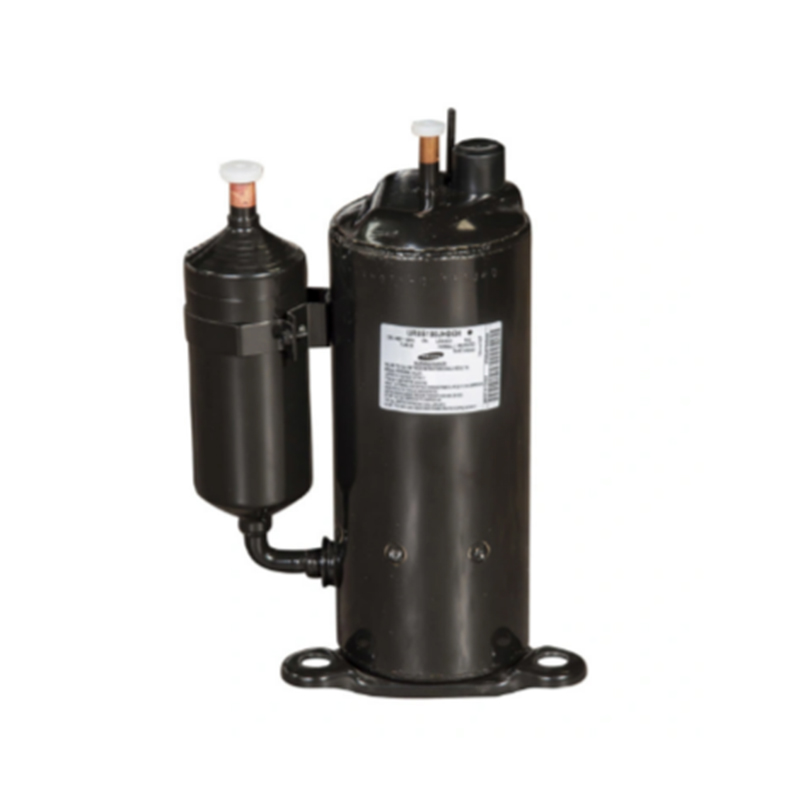
These control parts appear in nearly every type of cooling equipment that runs a compressor. Split air conditioner units use compact relay and overload assemblies mounted near the outdoor compressor. Central HVAC systems rely on larger relay and timer assemblies to coordinate compressor, fan, and auxiliary heat stages. Industrial cooling systems use heavier-duty relays and overload protectors rated for larger motor currents. Commercial refrigeration units apply the same protective logic to keep compressors from short-cycling during frequent door openings or load changes. Compressor motor protection circuits in all of these settings depend on the same core relationship between switching, overload sensing, and restart timing.
Reliable compressor protection depends on a specific set of performance traits rather than any single feature. Stable switching performance relay behavior means the contacts or semiconductor element engage the same way across thousands of cycles without drifting. Compressor overload protection accuracy means the protector trips close to its rated threshold rather than tripping early or missing a genuine fault. An anti short cycle delay function prevents the compressor from restarting until internal pressures have equalized, which protects the motor windings. High temperature resistance components allow the parts to function inside the enclosed, heat-exposed spaces where compressors typically sit. A long electrical life cycle for the parts keeps replacement intervals predictable across the service life of the unit.
Consistent contact or semiconductor behavior over repeated cycles
Tripping close to the rated current and temperature threshold
Restart held until system pressure has equalized
Reliable operation inside enclosed compressor compartments
Predictable performance across the unit's service life
Manufacturing these parts combines precision electromechanical work with electronic assembly. Precision coil winding relay production shapes the electromagnetic core that will later pull the switching contacts closed. Bimetal strip overload design requires selecting and forming two metals with different expansion rates so the strip bends predictably as current-driven heat builds. PCB electronic timer assembly places the timing circuit components onto a board that will control the restart delay interval. An insulation material encapsulation process seals the internal components against moisture, dust, and vibration inside the compressor compartment. Quality testing electrical switching devices closes out the process, with each part cycled through simulated load and temperature conditions before it is approved for use.
Compressor protection can be built from discrete relay, overload, and timer parts, or from more integrated control approaches. A mechanical relay vs solid state relay comparison usually comes down to switching speed and contact wear versus simplicity and cost. Electronic vs thermal overload protection is a similar trade-off, with electronic sensing offering finer threshold control and thermal designs offering simpler, field-proven reliability. Manual vs automatic compressor control marks the larger shift from operator-managed restarts to timer-managed restarts. Integrated PCB control boards HVAC designs combine relay, overload, and timer functions onto a single board, while smart inverter control systems comparison shows inverter-driven compressors handling some of this protection through variable-speed control logic instead of discrete switching parts.
These control parts fail in a fairly consistent set of ways across HVAC systems. Relay contact burnout happens when switching contacts arc repeatedly under load, gradually pitting the contact surface until it no longer makes a clean connection. Overload false tripping issues occur when a protector's threshold has drifted or when ambient heat pushes the sensing element past its trip point without a genuine fault present. Timer malfunction delay failure shows up as a restart delay that runs too short, too long, or not at all, usually tied to a failing timing circuit. Voltage fluctuation damage affects all three parts, since unstable supply voltage stresses coils, contacts, and timing electronics alike. Overheating electrical components is often the root cause behind several of these failures, since heat accelerates wear in bimetal strips, relay coils, and circuit boards alike.
| Failure Type | Typical Sign | Underlying Cause |
| Relay contact burnout | Compressor fails to start or stutters on start | Repeated arcing pitting the contact surface |
| Overload false tripping | Compressor cuts out with no clear fault | Threshold drift or excess ambient heat |
| Timer malfunction | Restart delay too short, too long, or absent | Failing timing circuit component |
| Voltage fluctuation damage | Intermittent or inconsistent operation | Unstable incoming supply voltage |
Smart HVAC control systems are increasingly folding relay, overload, and timer functions into digital control platforms that log and report compressor behavior over time. IoT enabled compressor protection lets a system flag abnormal current draw or repeated restarts remotely, before a hard failure occurs on site. Energy efficient cooling electronics are being paired with these protection functions so compressor cycling is optimized for both equipment life and power consumption. Digital delay control modules are gradually replacing purely mechanical timer designs, offering finer restart-interval adjustment. Inverter integrated protection systems represent the broader trend, where variable-speed compressor control absorbs part of the protective role once handled entirely by discrete relay and overload hardware.
The role of the relay, overload protector, and delay timer is not disappearing — it is being absorbed into smarter, more connected compressor control platforms.
It switches power to the compressor or fan motor on and off based on a control signal from the thermostat or control board.
It monitors current and temperature at the compressor and interrupts power if either exceeds a safe threshold, preventing motor damage.
It holds the compressor circuit open briefly after a stop so internal system pressure can equalize before the next start attempt.
A multimeter is used to check for continuity across the switching contacts when the coil is energized, confirming the relay closes and opens as expected.
Yes, overload protectors are typically replaceable components, provided the replacement matches the original current and temperature rating.
Repeated contact arcing, voltage fluctuations, and prolonged exposure to heat inside the compressor compartment are the most common causes.
Efficient charging, stable output, capacitor, thefirst choice for electric drive.
If you have anything to consult, you canfollow us, we will contact you as soon aspossible

Copyright © Ningguo Kingcool Import and Export Co., Ltd All Rights Reserved. Custom HVAC Parts & Accessories Suppliers