Content
An air-conditioner temperature controller is the precision component responsible for sensing ambient conditions, comparing them against a set point, and triggering compressor or fan operation to maintain exact thermal comfort. Replacing or upgrading this single part can reduce energy consumption by 10–20%, extend compressor lifespan, and eliminate the temperature swings that force occupants to constantly readjust settings.
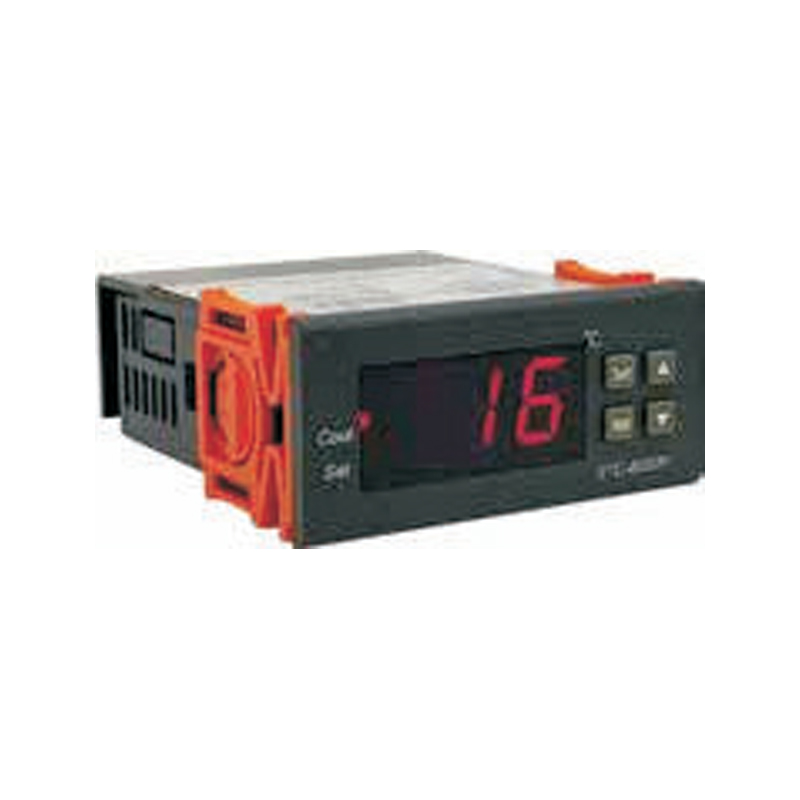
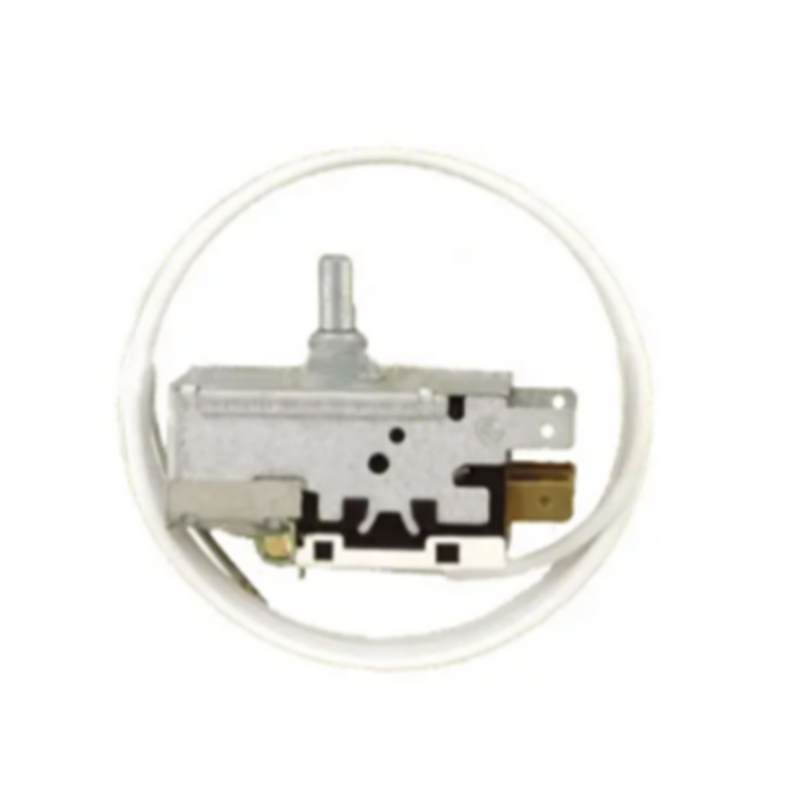
An air conditioner temperature controller is an electromechanical or electronic device that monitors return-air or room temperature via a sensor, compares the reading against a user-defined set point, and opens or closes control circuits to cycle the cooling system on and off — maintaining the target temperature within a defined differential band.
Controller accuracy is defined by two parameters working together: sensor tolerance and switching differential. Sensor tolerance describes how closely the measured temperature matches actual air temperature — quality NTC thermistor sensors achieve ±0.5 C, while cheap bimetal sensors can drift by ±2–3 C. Switching differential is the gap between the "off" temperature and the "on" temperature — a differential set too wide causes large room temperature swings; set too narrow, it short-cycles the compressor.
Compatibility failures are the most common cause of replacement controller malfunctions. Three parameters must align precisely between the controller and the air conditioning unit it governs.
| Parameter | What to Check | Risk of Mismatch |
| Supply voltage | 110V / 220V / 24V AC — match exactly to unit spec | Immediate controller burnout or no-power fault |
| Relay contact rating | Must exceed compressor FLA by 25% minimum | Contact welding, fire risk, compressor failure |
| Sensor type and length | NTC 10K or 15K; cable length to reach return air duct | Incorrect readings, constant on/off cycling |
| Temperature range | Controller range must include both set point and ambient extremes | Locking at limits, uncontrolled operation |
| Signal output type | On/off relay vs. 0–10V analog vs. PWM — match to AC control board | No control signal, compressor runs continuously |
A malfunctioning or imprecise air conditioner temperature controller directly inflates electricity bills. When the controller's set-point accuracy degrades by just 2 C — a common symptom of aging bimetal sensors — the system cools to a lower-than-needed temperature, adding 6–10% to compressor runtime based on the U.S. Department of Energy's cooling load models.
Controllers with a built-in compressor protection delay — enforcing a minimum 3-minute off-time between start cycles — prevent short-cycling that degrades compressor oil film and increases motor winding temperature by up to 40 C per short-cycle event. This single feature can extend compressor service life by 30–50%.
Installing a replacement air-conditioner temperature controller requires isolating power, correctly placing the sensor, and verifying wiring before restoring the circuit. Follow these steps in sequence.
Most controller faults fall into four categories that can be diagnosed without specialist equipment using a multimeter and a reference thermometer.
For HVAC systems operating across multiple zones or requiring BMS (Building Management System) integration, the temperature controller specification expands beyond simple on/off relay output. Commercial and industrial HVAC controllers must support analog signal output, communication protocols, and wider ambient operating temperature ranges than residential units.
Efficient charging, stable output, capacitor, thefirst choice for electric drive.
If you have anything to consult, you canfollow us, we will contact you as soon aspossible

Copyright © Ningguo Kingcool Import and Export Co., Ltd All Rights Reserved. Custom HVAC Parts & Accessories Suppliers