Content
Modern refrigerator parts work in a continuous thermodynamic cycle to remove heat from the interior, ensuring food safety and appliance longevity. Beyond mechanical components, the refrigerator is also frequently used for the "fridge hack"—the practice of storing breast pump parts in the refrigerator between sessions to prevent bacterial growth in residual milk. Understanding how these mechanical components function and the safety guidelines for cold storage is essential for both home maintenance and maternal health.
A refrigerator is more than just a cold box; it is a system of specialized components designed to move heat. When one of these parts fails, the entire cooling process is compromised. Maintaining high-quality components ensures that the internal temperature remains at the USDA-recommended level of 40°F (4°C) or below.
| Component | Function | Common Signs of Failure |
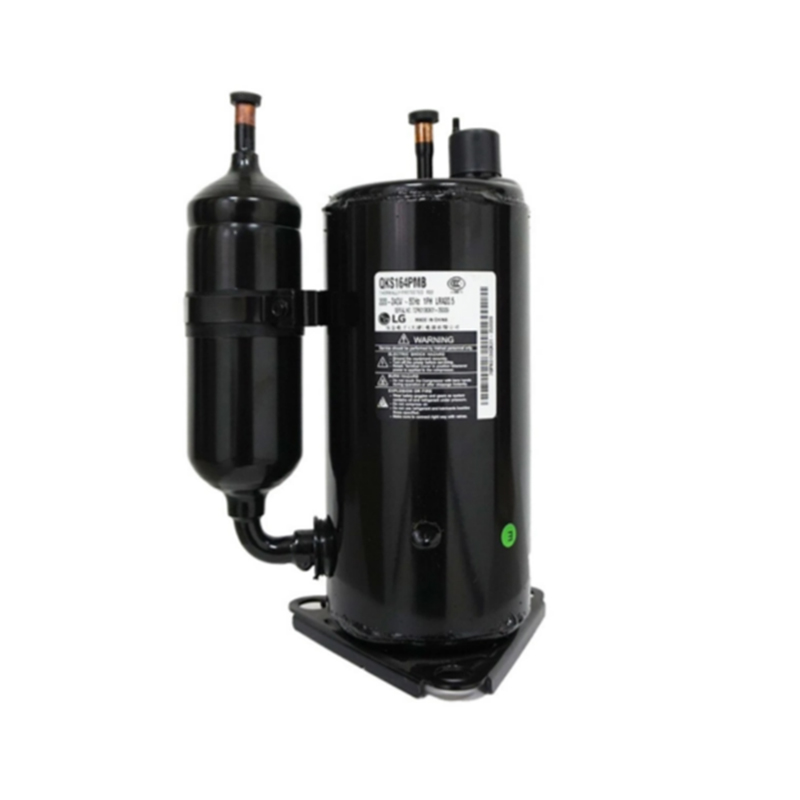
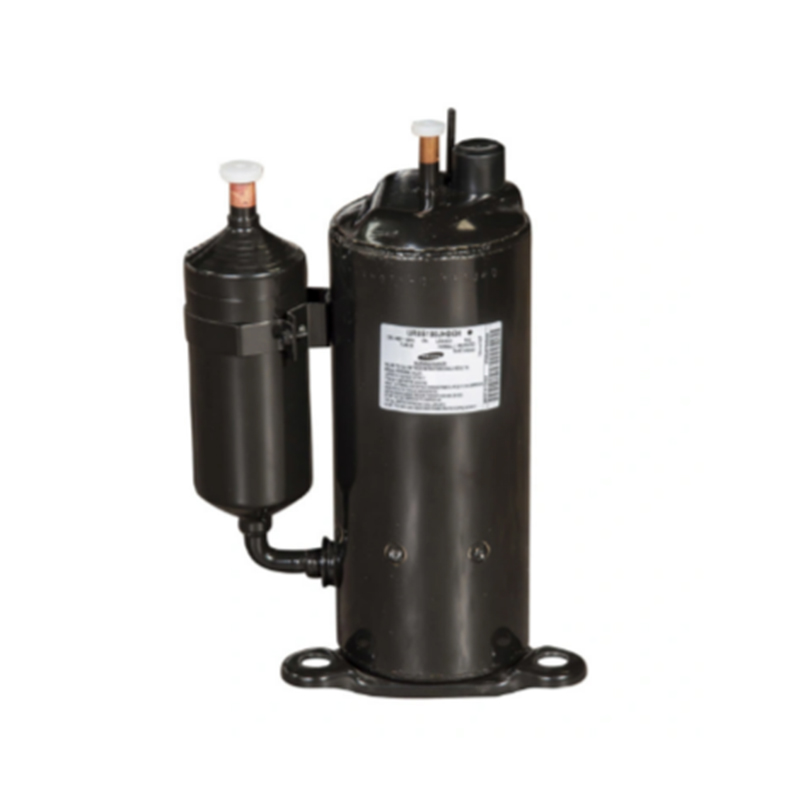
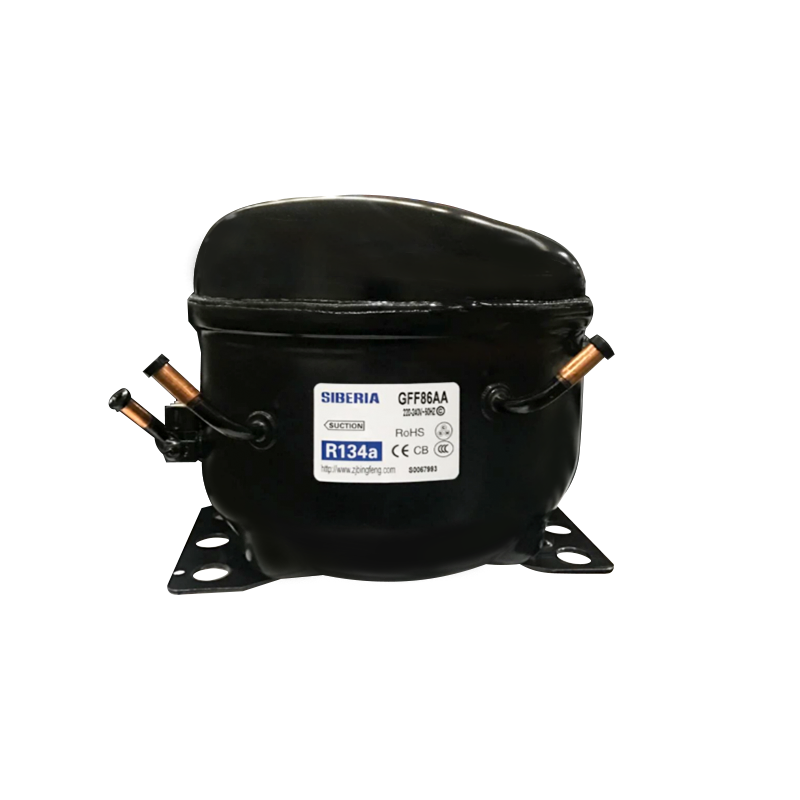
| Compressor | The "heart" of the unit that circulates refrigerant under high pressure. | Loud humming or a clicking sound followed by no cooling. |
| Evaporator Coils | Absorbs heat from the air inside the refrigerator as refrigerant turns to gas. | Frost buildup or the fridge feeling warm while the freezer is cold. |
| Condenser Coils | Dissipates the heat removed from the interior into the surrounding room. | Excessive heat from the bottom or back of the appliance. |
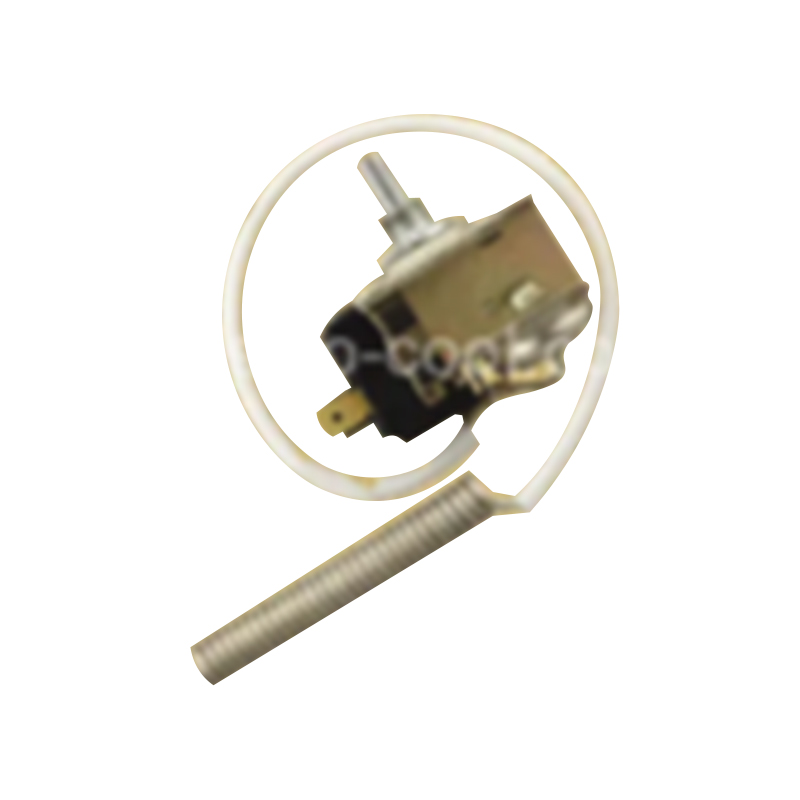
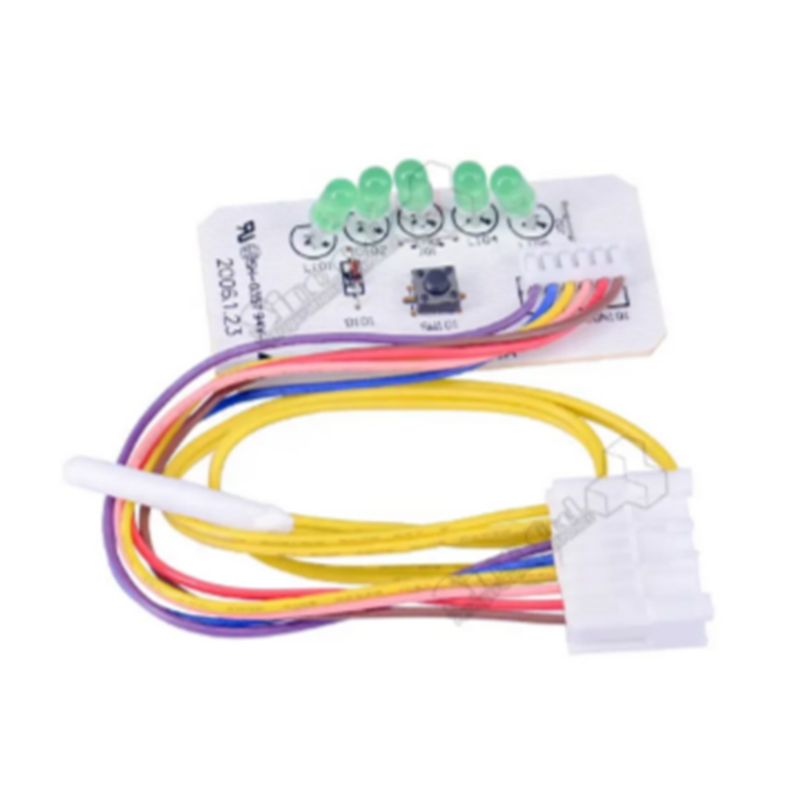
| Thermostat | The control center that monitors temperature and triggers the cooling cycle. | Inconsistent temperatures or food freezing in the fridge section. |
| Door Gasket | A flexible seal that prevents cold air from escaping and warm air from entering. | Moisture around the door or the motor running constantly. |
A common question among nursing mothers is whether they can put breast pump parts in the refrigerator. The answer is yes, provided specific hygiene steps are followed. This method, often called the "fridge hack," involves placing the flanges and connectors in a sealed container or bag and storing them in the refrigerator between pumping sessions to save time on washing.
The primary reason for refrigerating pump parts is the same reason we refrigerate milk: bacterial inhibition. Breast milk contains natural immunological properties, but once it sits at room temperature on the plastic surfaces of refrigerator parts or pump accessories, bacteria can multiply rapidly.
The Science of Cold Storage: Bacteria such as Cronobacter sakazakii or Staphylococcus aureus thrive in warm, moist environments. By dropping the temperature of the residual milk on the pump parts to below 40°F, you effectively move the milk into the "safe zone." This slows the metabolic rate of microbes, keeping the residue safe for a few hours until the next session.
Whether you are replacing mechanical parts or using the appliance for medical storage, hygiene is paramount. A refrigerator that is not well-maintained can develop mold on gaskets or dust on coils, both of which affect the internal environment.
Dusty condenser coils can increase energy consumption by up to 25%. Clean them every six months to keep the system efficient.
If storing pump parts, wipe down the shelves weekly with a mixture of water and vinegar to ensure a sterile environment.
The synergy between mechanical efficiency and practical usage makes the refrigerator a cornerstone of the modern home. By ensuring that core refrigerator parts like the compressor and thermostat are in peak condition, you provide a stable environment for both your groceries and sensitive items like breast pump parts. Regular maintenance and adherence to storage safety protocols protect both your appliance investment and your family's health.
Efficient charging, stable output, capacitor, thefirst choice for electric drive.
If you have anything to consult, you canfollow us, we will contact you as soon aspossible

Copyright © Ningguo Kingcool Import and Export Co., Ltd All Rights Reserved. Custom HVAC Parts & Accessories Suppliers