Content
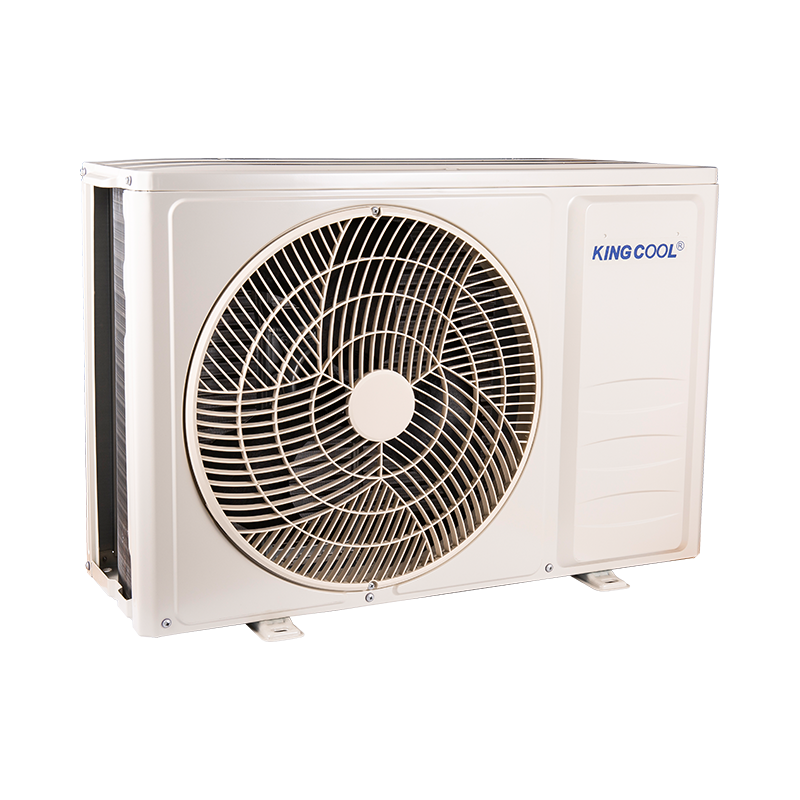
Modern air-conditioner parts work together in a closed-loop refrigeration cycle to move heat from indoors to the outside environment. In a standard split system, the two primary parts of an air conditioner are called the Indoor Unit (Evaporator) and the Outdoor Unit (Condenser). These two sections are connected by copper refrigerant piping and electrical wiring, functioning as a heat pump to regulate ambient temperature.
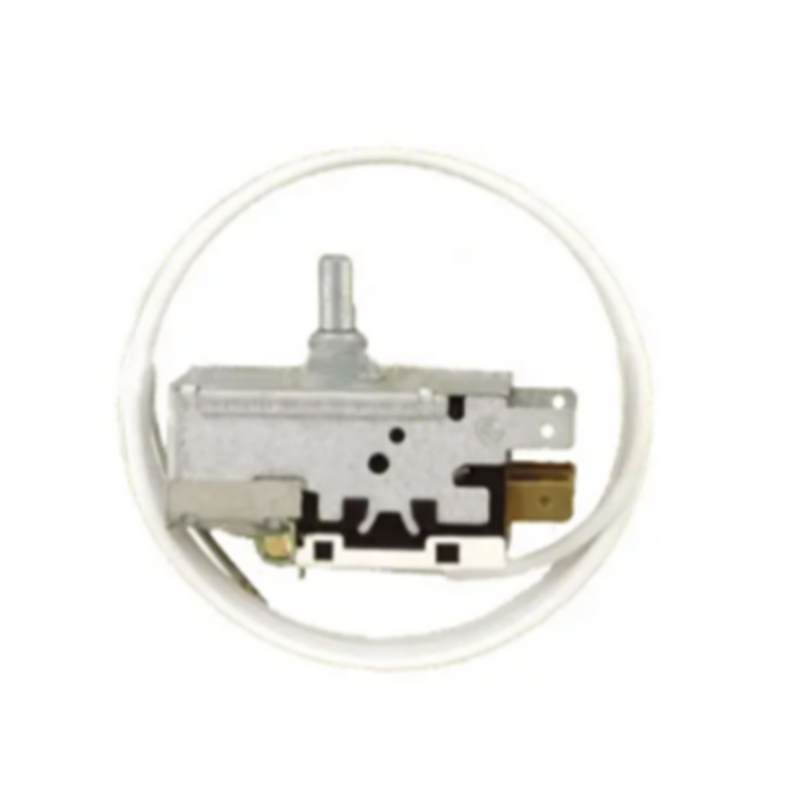
Understanding the distinction between the indoor and outdoor sections is fundamental for maintenance and troubleshooting. While they perform different physical tasks, their operation is synchronized by the thermostat.
| Section Name | Main Component | Primary Function |
| Indoor Unit | Evaporator Coil | Absorbs heat from the indoor air using cold refrigerant. |
| Outdoor Unit | Condenser Coil | Releases the absorbed heat into the outside atmosphere. |
Beyond the casing, several mechanical and electrical air-conditioner parts are critical for the cooling process. Each component must be precisely sized to ensure system efficiency (SEER ratings).
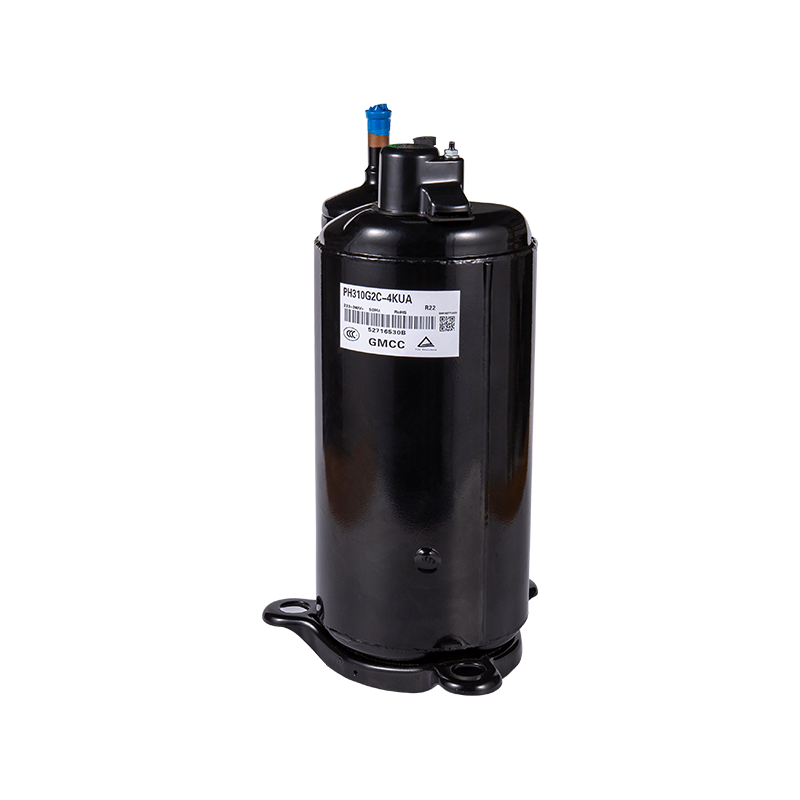
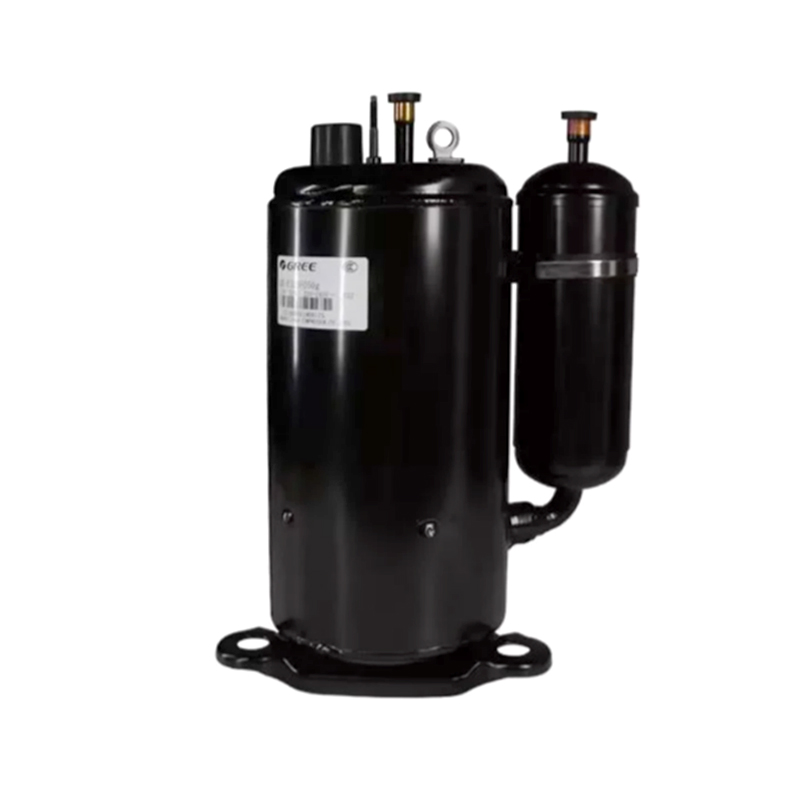
Located in the outdoor unit, the compressor is the most vital component. It circulates the refrigerant under high pressure. Modern systems often use "Inverter Compressors," which can adjust their motor speed rather than simply turning on and off, potentially reducing energy consumption by up to 30% compared to fixed-speed models.
The indoor unit houses the evaporator coil, usually made of copper tubing with aluminum fins to maximize surface area. As the blower fan pulls warm air over these cold coils, the refrigerant inside evaporates, absorbing the heat. This process also causes moisture to condense on the coils, which effectively dehumidifies the indoor air.
In the outdoor unit, the high-pressure gas from the compressor enters the condenser coil. A large fan pulls outside air across the coils to dissipate the heat. High-quality air-conditioner parts in this section are often treated with anti-corrosive "Blue Fin" or "Gold Fin" coatings to prevent oxidation from rain and salt air.
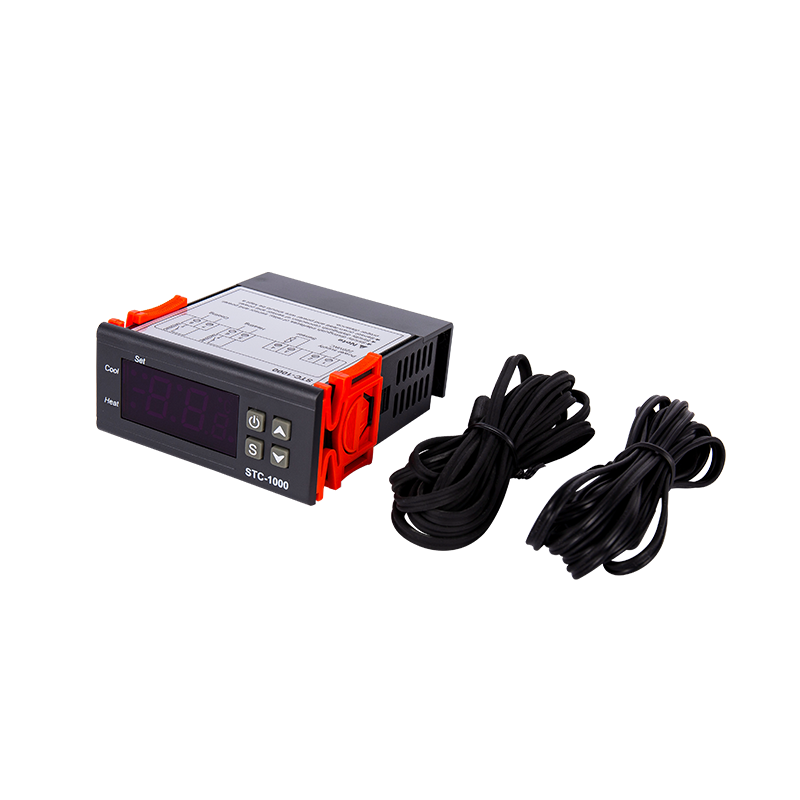
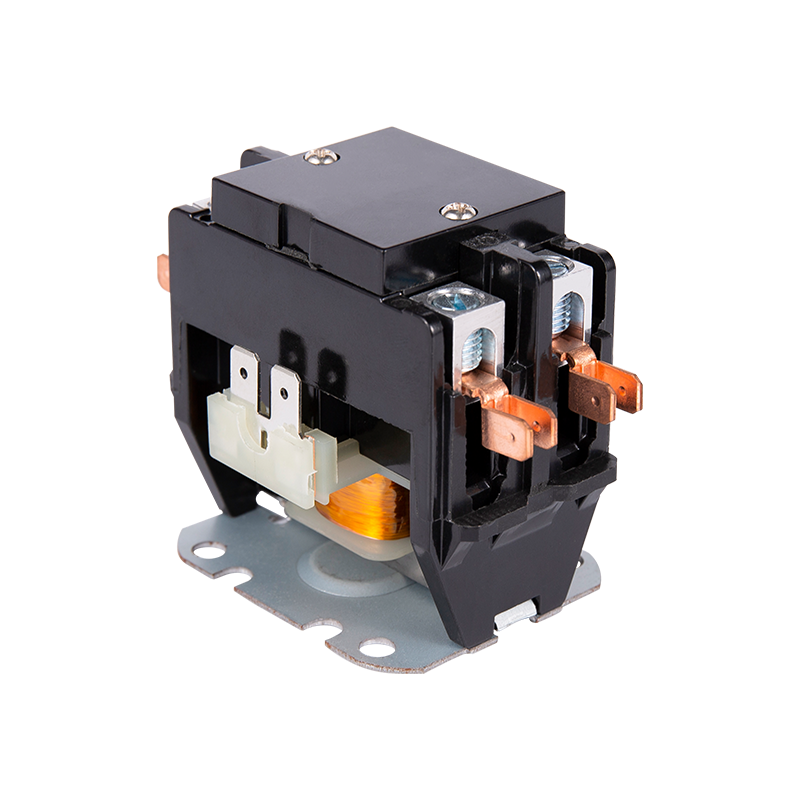
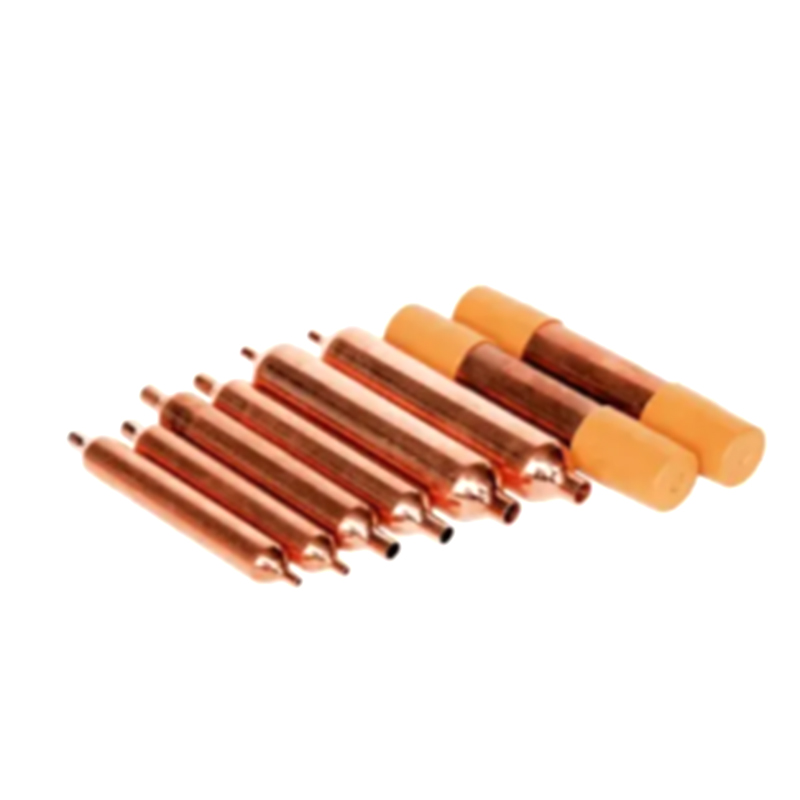
The movement of refrigerant and the protection of the motor are managed by smaller, specialized parts that are frequently checked during professional servicing.
The performance of air-conditioner parts is highly dependent on airflow. Data shows that a dirty air filter or a clogged condenser coil can reduce system efficiency by 5% to 15% and significantly shorten the lifespan of the compressor due to overheating.
| Component | Maintenance Action | Frequency |
| Air Filters | Clean or Replace | Every 1–3 months |
| Condenser Coils | Debris Removal/Wash | Annually |
| Drain Line | Clear Algae/Blockages | Bi-annually |
| Refrigerant Level | Professional Pressure Check | Every 2–3 years |
Though not a mechanical "part" in the traditional sense, the refrigerant is the medium that makes heat transfer possible. Most modern systems utilize R-410A or R-32, which have higher heat transfer coefficients than older R-22 gases. Maintaining the correct "charge" or level of refrigerant is essential; even a 10% loss in refrigerant can cause the evaporator coils to freeze, leading to a total system shutdown.
Efficient charging, stable output, capacitor, thefirst choice for electric drive.
If you have anything to consult, you canfollow us, we will contact you as soon aspossible

Copyright © Ningguo Kingcool Import and Export Co., Ltd All Rights Reserved. Custom HVAC Parts & Accessories Suppliers