Content
Compressor control failures rarely start with the compressor itself. In most air conditioning systems, the real point of failure sits in three small electrical parts that get confused with one another constantly. The air conditioner relay vs overload protector vs delay timer comparison matters because each part protects a different stage of the compressor's electrical life cycle, and swapping the wrong one into a system creates cycling faults that look identical on the surface but trace back to three completely different root causes.
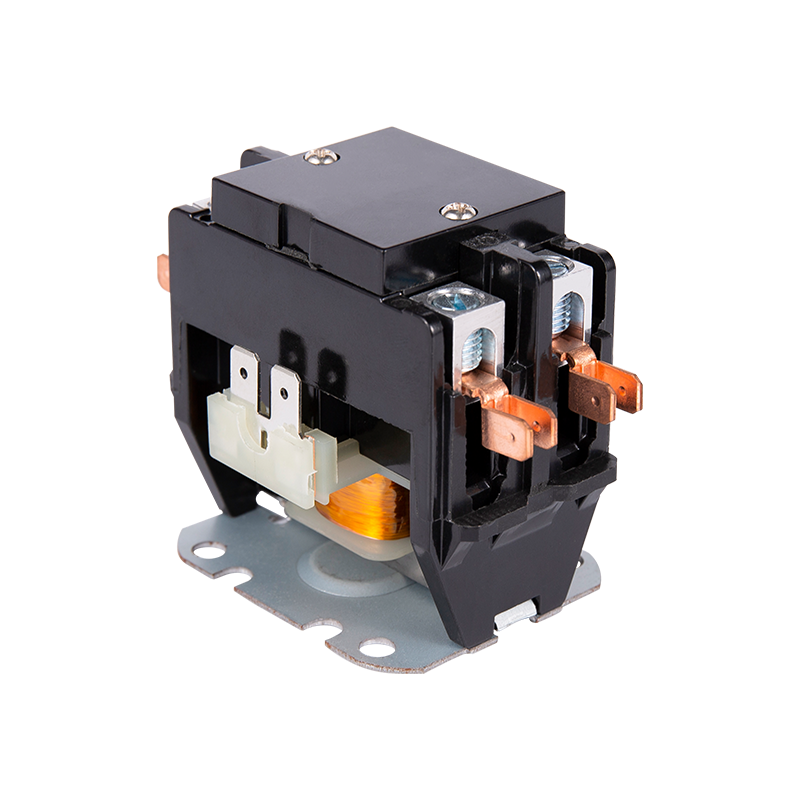
An air conditioner relay switches power on and off, an overload protector interrupts current when the compressor motor is under thermal or electrical stress, and a delay timer holds the restart sequence for a fixed interval after shutdown. None of the three duplicates the job of the other two.
| Component | Primary Role | Triggers On |
| Air Conditioner Relay | Electrical switching to compressor and fan circuits | Control signal from thermostat or logic board |
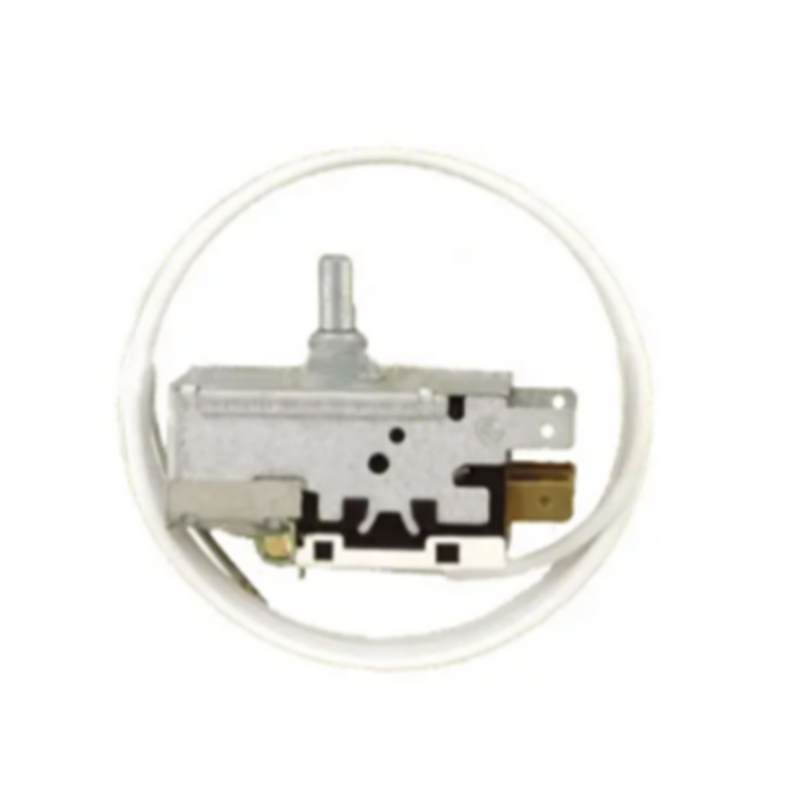
| Overload Protector | Interrupts current to prevent motor damage | Excess current or abnormal winding temperature |
| Delay Timer | Holds restart timing after a stop event | Compressor shutdown or power interruption |
A relay is the electrically controlled switch between the control circuit and the compressor or fan motor. When the control system issues a signal, the relay's contacts close and current flows to the load it governs.
Most overload protectors use bimetallic thermal sensing built into or mounted against the compressor housing. When winding temperature or current draw crosses a safe threshold, the protector opens the circuit, the compressor stops, and the motor is given time to cool before any restart is possible.
A delay timer inserts a fixed pause before the compressor is allowed to restart, whether after a normal shutdown or a power interruption. This single function prevents short cycling, which is one of the fastest ways to shorten compressor life.
Correct diagnosis depends on matching the symptom to the component, since all three failures can present as a compressor that will not run properly.
Clicking with no start, intermittent operation, unstable contact connection.
Frequent shutdowns, reduced cooling output, housing runs hot to the touch.
Immediate restart after stopping, rapid on/off cycling, erratic hold intervals.
Selecting the right part starts with the compressor's rated voltage, locked rotor amperage, and starting current, since an undersized relay or protector will trip or fail under normal startup load rather than only during a genuine fault.
Choosing between an air conditioner relay vs overload protector vs delay timer is not really a choice at all in a working system — each part is required, and reliability depends on matching every one of the three to the compressor's exact electrical profile rather than treating them as interchangeable generic parts.
An AC relay switches power to the compressor circuit, while an overload protector interrupts that circuit when current or temperature exceeds a safe limit.
A delay timer prevents short cycling by holding the restart sequence for a fixed interval, which reduces mechanical and electrical stress on the compressor.
Yes. A worn or arcing relay can create unstable power delivery that leads to erratic compressor starts and added stress on connected components.
Replacement intervals depend on operating conditions, cycling frequency, and component quality, so parts should be inspected during routine compressor maintenance rather than on a fixed calendar alone.
Efficient charging, stable output, capacitor, thefirst choice for electric drive.
If you have anything to consult, you canfollow us, we will contact you as soon aspossible

Copyright © Ningguo Kingcool Import and Export Co., Ltd All Rights Reserved. Custom HVAC Parts & Accessories Suppliers