Content
When an AC repair business orders a replacement compressor from one vendor, capacitors from another, and refrigeration tools from a third, it carries three separate freight costs, three payment cycles, and three chances for a compatibility error. A single purchase order covering all of those items changes the economics of the job. One-stop procurement from an HVAC parts supplier consolidates sourcing, simplifies inventory planning, and cuts the administrative load on service contractors, wholesalers, and distributors.
Air conditioning and refrigeration businesses operate on thin margins, and the parts they install are often time-sensitive. A downed walk-in cooler or a failed AC compressor in peak season needs a replacement delivered fast. When a contractor must coordinate multiple vendors for a single repair, lead times stack, freight minimums multiply, and the risk of receiving incompatible parts rises.
One-stop procurement addresses those pain points directly. A single HVAC parts supplier carrying compressors, capacitors, thermostats, fan motors, copper tubing, fittings, refrigerants, and service tools lets a business consolidate its purchasing. Instead of maintaining vendor relationships with a dozen different factories or trading companies, the buyer works with one export team that understands the full bill of materials for common AC and refrigeration jobs.
One-stop procurement is the practice of sourcing all required components and consumables for HVAC and refrigeration work from a single qualified supplier, consolidating purchase orders, logistics, and technical support into one transaction.
Procurement risk in the HVAC spare parts trade comes in three forms: part incompatibility, counterfeit or substandard goods, and supply gaps. A supplier with a broad catalog addresses all three better than a narrow specialist can.
Ningguo Kingcool Import and Export Co., Ltd., operating under the Kingcool brand, structures its product offering around the actual workflow of AC and refrigeration maintenance. The product matrix spans over 300 line items across seven categories: capacitors, air conditioner parts, refrigerator parts, refrigeration parts, washing machine parts, home appliance parts, and instruments and tools.
A typical split AC repair might require a run capacitor, a contactor, a fan motor, and a universal remote. A commercial refrigeration service call could need a thermostat, a defrost timer, a drier filter, a brass access valve, and refrigerant. When one supplier stocks all of those, the contractor can place one order and receive one shipment.
Multi-vendor vs one-stop procurement: A contractor sourcing from three suppliers averages 2 to 3 extra days in lead time per job and spends about 15 percent more on freight and handling compared to consolidated orders. One-stop procurement compresses the procurement cycle to a single PO and a single delivery window.
Compressors are the highest-value replacement part in most AC and refrigeration jobs, and they are also the category where compatibility errors are most expensive. A wrong compressor can mean a return shipment, a lost installation day, and a damaged customer relationship.
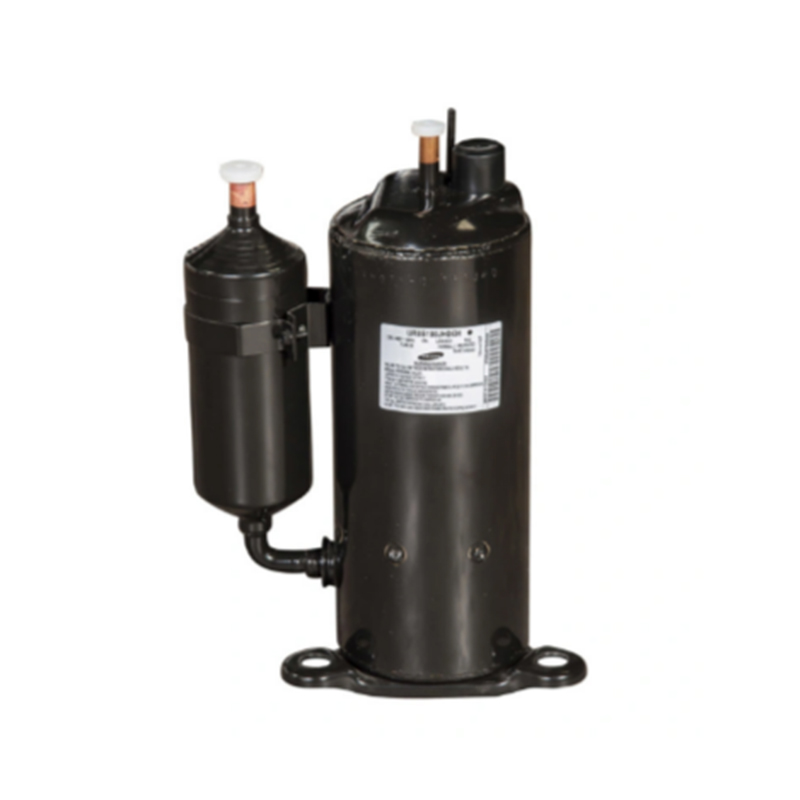
An HVAC parts supplier that stocks compressors from multiple original brands gives the buyer a distinct advantage: the ability to match the exact OEM specification without being locked into a single manufacturer's distribution channel. The Kingcool catalog includes compressors from Copeland, Daikin, GMCC, Gree, Highly, Hitachi, Huayi, Invotech, LG, Mitsubishi, Panasonic, Samsung, Sanyo, Secop, Siberia, and Tecumseh, plus an OEM line under the Kingcool brand itself.
| Application Type | Brand Coverage | Example Sourcing Scenario |
| Residential AC | Gree, GMCC, Panasonic, Samsung | Replacing a failed rotary compressor in a 12,000 BTU split unit |
| Commercial Refrigeration | Copeland, Tecumseh, Secop, Siberia | Sourcing a hermetic reciprocating compressor for a reach-in cooler |
| Inverter Systems | Hitachi, Highly, Invotech | Matching a variable-speed compressor for a ductless mini-split |
For procurement managers, this range translates into a lower risk of dead-end sourcing. If one brand is on allocation or back-ordered, the buyer can spec a compatible alternative from the same supplier rather than opening a new vendor account.
Compatibility in the replacement parts business is rarely universal. A thermostat that fits a GE refrigerator will not necessarily drop into a Danfoss-controlled unit. A capacitor rated at 450 VAC may be physically identical to a 370 VAC unit but electrically wrong for the motor.
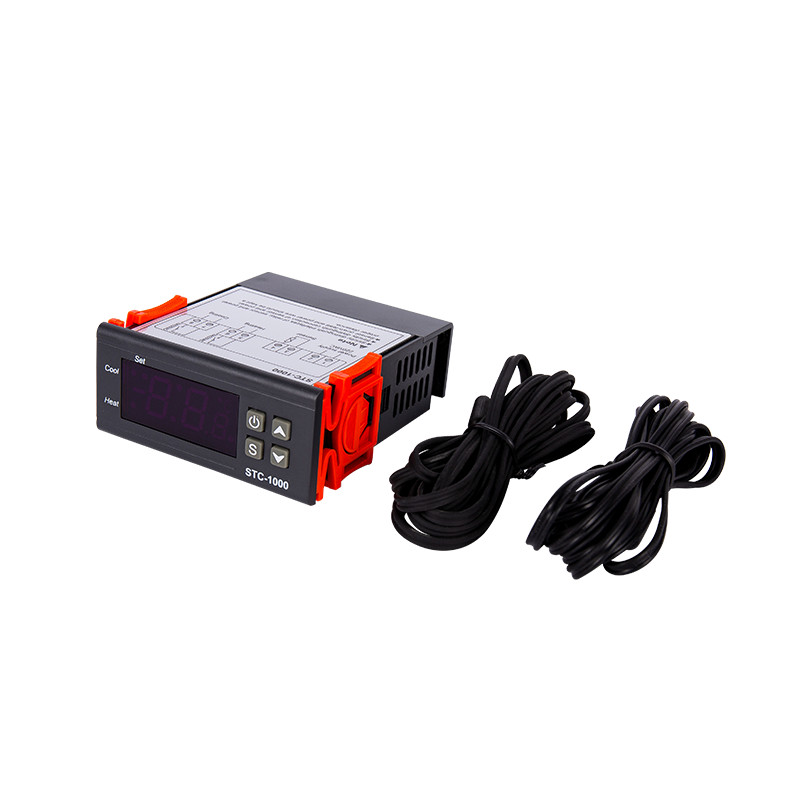
Reputable HVAC parts suppliers solve this by organizing their catalog around compatibility families rather than vague application labels. The Kingcool website groups refrigerator thermostats into Atea/TAM, Danfoss, GE, Heating, Ranco, Robertshaw, and Saginomiya styles, and provides universal AC control systems with cross-compatibility across multiple split AC brands.
That structure matters because it mirrors how technicians actually select parts. A technician does not search for "a thermostat" — they search for a thermostat that matches the wiring, capillary length, and temperature range of the original component. The same logic applies to fan motors, capacitor microfarad ratings, and defrost timers.
When evaluating an HVAC parts supplier's catalog, ask three questions: Are parts grouped by compatibility standard? Are OEM cross-reference numbers visible? Can the supplier confirm fitment before shipment? A supplier that answers all three affirmatively reduces the buyer's technical risk significantly.
One-stop procurement is not just about major components. The profitability of a service call often depends on the small items — refrigerant, copper tubing, fittings, insulation, and the tools used to install them. A technician who has to make a separate trip for a roll of tape or a can of refrigerant eats into labor margin.
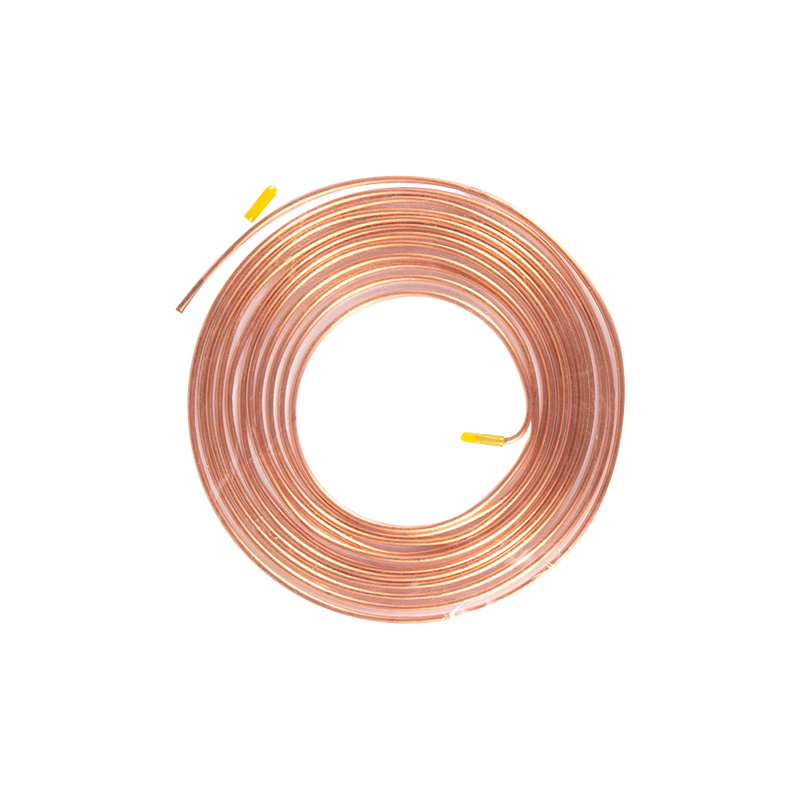
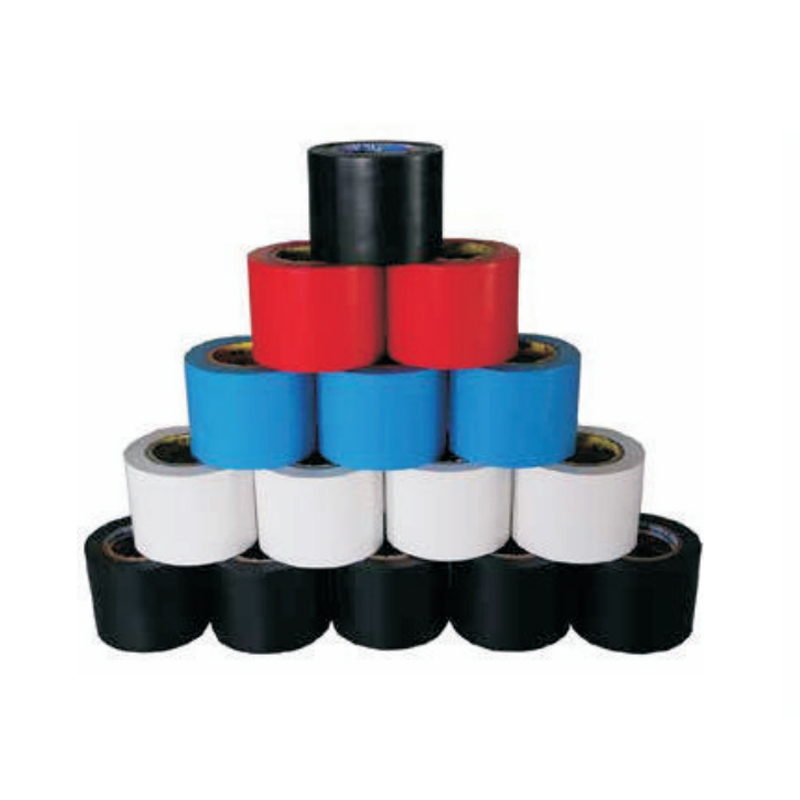
The Kingcool product matrix includes refrigerant gas (R134a and MAPP gas), pancake coil copper pipe, installation kits with aluminum pipe, brass and copper fittings, access valves, ball valves, filter driers, oil separators, vacuum pumps, refrigerant recovery machines, electronic charging scales, manifold gauges, and leak detectors. It also covers the tool side with flaring tools, tube cutters, swaging punches, and torch kits.
For a refrigeration contractor, that means a single order can cover the complete material list for an install: the condensing unit, the line set, the fittings, the refrigerant, the charging manifold, and the leak detector. That level of integration is what separates a parts catalog from a true one-stop procurement partner.
Total cost of procurement includes more than the unit price of each part. Freight, customs clearance, payment fees, and the labor hours spent managing purchase orders all add up. When a buyer spreads an order across multiple suppliers, those costs multiply.
Consolidation changes the math. One shipment of 200 kg from a single supplier costs significantly less than four shipments of 50 kg from four suppliers. The buyer also gains negotiating leverage: higher order value per supplier typically unlocks better unit pricing, particularly in the compressor and capacitor categories where volume discounts apply.
Illustrative total cost per 200 kg shipment including freight and handling
Buyers who switch to one-stop procurement typically cut their supplier count from 5 to 10 separate vendors down to 2 or 3 strategic partners. The direct result is fewer freight invoices, faster payment cycles, and a 10 to 15 percent reduction in landed cost per order.
Not every broad-line catalog qualifies as a genuine one-stop partner. The supplier must have the inventory depth to fulfill multi-category orders consistently, the export experience to handle documentation, and the technical competence to advise on compatibility.
Verify catalog depth across at least AC, refrigeration, and tool categories — not just one specialty line.
Confirm that compressor and thermostat lines are organized by OEM brand or compatibility style.
Ask about mixed orders: minimum quantities per line item and whether small consumables can be bundled with major components.
Check communication channels — a direct inquiry system and responsive export team matter for time-sensitive orders.
One-stop procurement for HVAC and refrigeration parts is a sourcing model in which a buyer purchases all required components — compressors, capacitors, thermostats, fan motors, valves, refrigerants, and tools — from a single qualified supplier under one purchase order, instead of splitting the order across multiple vendors.
The main savings come from reduced freight costs, lower administrative overhead, better volume pricing leverage, and fewer compatibility errors. Consolidating a 200 kg shipment from multiple vendors into one supplier order typically reduces total landed cost by 10 to 15 percent.
Yes, provided the supplier stocks compressors across multiple OEM brands or offers verified compatible alternatives. A supplier like Kingcool covers major brands including Copeland, Daikin, GMCC, Gree, Hitachi, Panasonic, and Tecumseh, and also carries an OEM line under its own brand for projects that allow alternative sourcing.
The buyer should confirm that the supplier organizes its catalog around compatibility standards, provides technical fitment support before shipment, and accepts returns or exchanges for documented mismatch cases. Parts grouped by original brand and style — such as the thermostat and capacitor families — carry the lowest fitment risk.
Efficient charging, stable output, capacitor, thefirst choice for electric drive.
If you have anything to consult, you canfollow us, we will contact you as soon aspossible
Copyright © Ningguo Kingcool Import and Export Co., Ltd All Rights Reserved. Custom HVAC Parts & Accessories Suppliers